
Investing can seem complicated, especially when markets are constantly changing and financial experts offer conflicting advice. Many investors find themselves chasing hot stocks, reacting to market headlines, or making emotional decisions that hurt long-term returns. In Taking Charge with Value Investing: How to Choose the Best Investments According to Price, Performance, & Valuation to Build a Winning Portfolio, Brian Nichols provides a practical roadmap for making smarter investment decisions based on proven value investing principles.
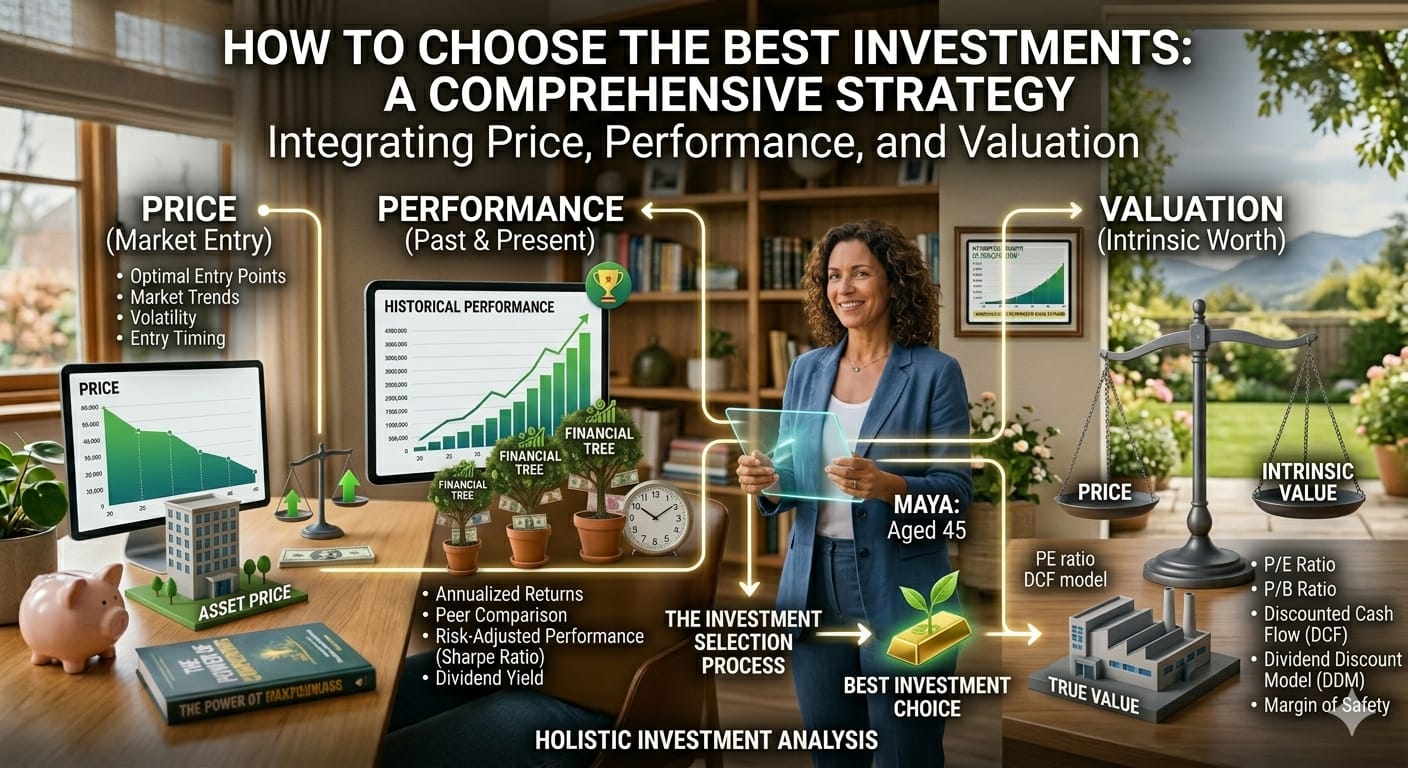
The book focuses on helping investors identify quality investments by analyzing three critical factors: price, performance, and valuation. Rather than relying on speculation, Nichols teaches readers how to evaluate businesses objectively and build a portfolio designed for long-term success.
What Is Value Investing?
Value investing is an investment strategy that involves purchasing stocks or assets that appear to be trading below their intrinsic value. The idea is simple: buy great companies at reasonable prices and hold them long enough for the market to recognize their true worth.
This approach was popularized by legendary investors like Benjamin Graham and Warren Buffett. Brian Nichols builds upon these principles while making them accessible for modern investors.
The book demonstrates that successful investing is not about predicting short-term market movements. Instead, it is about understanding what you are buying and ensuring that the price you pay makes sense.
Why Most Investors Struggle

One of the book’s key messages is that many investors focus on the wrong things.
Instead of analyzing a company’s actual value, they often:
- Follow market hype
- Buy based on emotions
- Chase recent winners
- Ignore financial fundamentals
- Panic during market downturns
Nichols argues that these behaviors frequently lead to poor investment outcomes. Successful investors take a disciplined approach and evaluate investments based on facts rather than feelings.
The book helps readers develop that discipline by teaching a structured investment process.
The Importance of Price
A great company is not always a great investment.
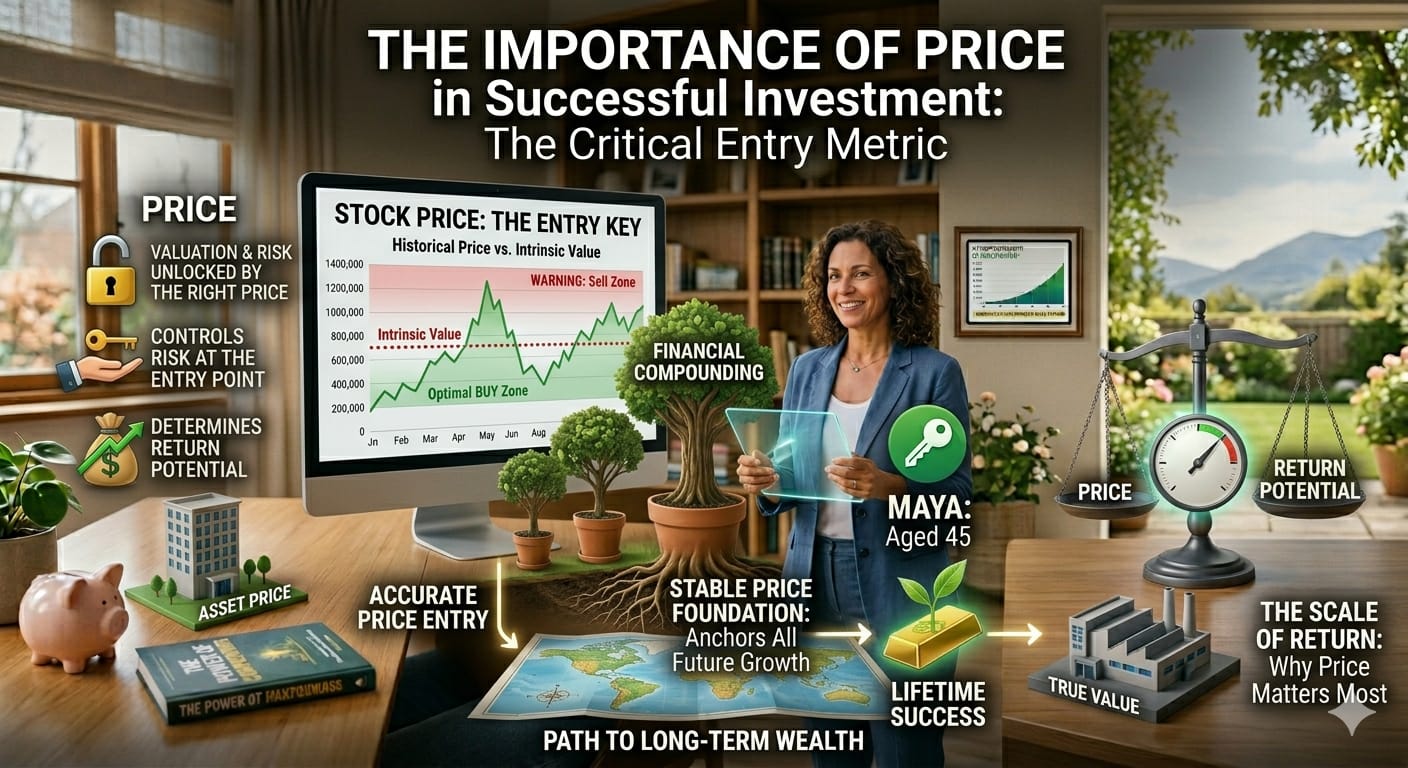
One of the most valuable lessons in the book is understanding the difference between a quality business and an attractive stock price.
Many investors assume that buying shares of successful companies automatically guarantees profits. However, if a stock is significantly overpriced, future returns may be disappointing.
Nichols emphasizes the importance of determining whether the market price reflects a company’s true value.
The goal is not simply to buy good businesses but to buy them when they are available at attractive prices.
This mindset helps investors avoid overpaying and improves the potential for long-term gains.
Evaluating Business Performance

The second pillar of the book focuses on performance.
A company’s long-term success depends on its ability to generate profits, grow revenue, and maintain a competitive advantage.
Nichols encourages investors to examine key performance indicators such as:
- Revenue growth
- Earnings growth
- Profit margins
- Return on equity
- Cash flow generation
- Debt levels
Strong performance often indicates that a company has a sustainable business model and capable management team.
Rather than relying solely on stock price movements, investors should evaluate how the underlying business is performing. Over time, stock prices tend to follow business fundamentals.
This perspective helps investors focus on long-term wealth creation rather than short-term market noise.
Understanding Valuation

Valuation is arguably the most important concept discussed in the book.
Even an outstanding company can become a poor investment if investors pay too much for it.
Nichols explains various valuation methods that help investors estimate a company’s intrinsic worth. These include:
- Price-to-Earnings (P/E) ratios
- Price-to-Book (P/B) ratios
- Price-to-Sales (P/S) ratios
- Discounted cash flow analysis
- Earnings-based valuation models
The objective is to compare a company’s current market price with its estimated value.
When a stock trades below its intrinsic value, it may represent a buying opportunity. When it trades significantly above its value, caution may be warranted.
By incorporating valuation into investment decisions, investors can reduce risk and improve their chances of achieving favorable returns.
Building a Winning Portfolio

The book goes beyond stock selection and discusses portfolio construction.
Many investors either own too few investments or spread themselves too thin across dozens of positions.
Nichols advocates creating a balanced portfolio built around carefully researched investments.
A successful portfolio should:
- Include high-quality businesses
- Maintain diversification across sectors
- Focus on long-term growth
- Limit unnecessary risk
- Be reviewed periodically
Diversification helps protect investors from unexpected setbacks while still allowing them to benefit from strong-performing investments.
The goal is not to own every stock in the market but to build a collection of investments with strong fundamentals and attractive valuations.
The Power of Patience

Patience is one of the recurring themes throughout the book.
Modern markets encourage constant activity. Financial news channels, social media, and online trading platforms often make investors feel like they must always be buying or selling.
Nichols argues that successful investing often involves doing less rather than more.
Value investing requires patience because undervalued opportunities may take time to be recognized by the broader market.
Investors who remain focused on fundamentals rather than short-term price fluctuations are often rewarded over time.
Patience allows the power of compounding to work in an investor’s favor.
Avoiding Common Investment Mistakes
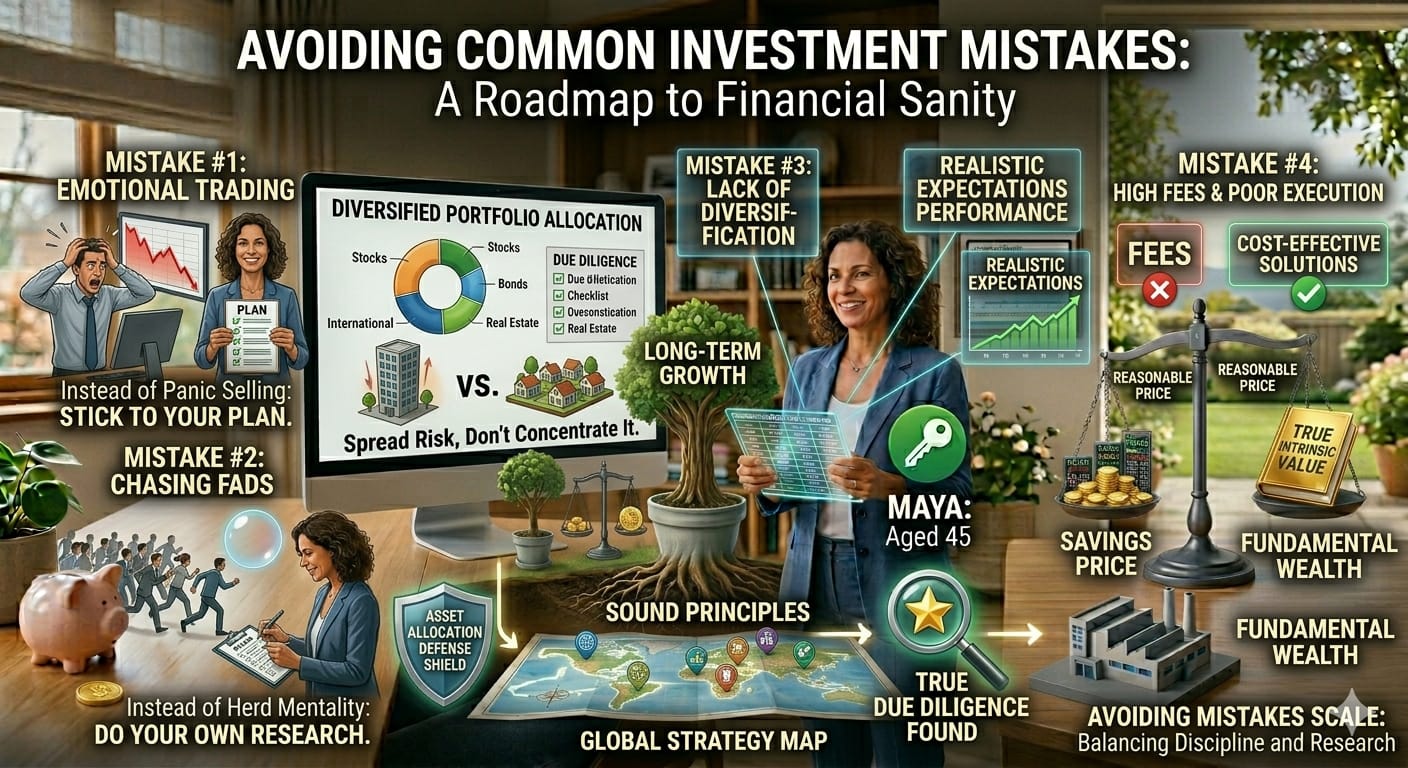
The book identifies several common mistakes that can damage investment returns:
Emotional Decision-Making
Fear and greed frequently cause investors to buy high and sell low. A disciplined valuation process helps reduce emotional reactions.
Ignoring Fundamentals
Investing without understanding a company’s financial health increases risk. Strong research is essential.
Overpaying for Growth
Popular growth stocks can become excessively expensive. Investors should always consider valuation alongside growth potential.
Lack of Diversification
Concentrating too much capital in a single stock or sector can expose investors to unnecessary risk.
Chasing Market Trends
Following the latest investment fad often leads to poor timing and disappointing results.
By avoiding these mistakes, investors can improve their long-term performance and build greater confidence in their investment decisions.
Who Should Read This Book?
Taking Charge with Value Investing is particularly useful for:
- Beginner investors seeking a proven strategy
- Long-term investors building retirement portfolios
- Individuals interested in stock analysis
- Investors who want a disciplined framework for decision-making
- Anyone looking to understand valuation and business fundamentals
The book is written in a practical and accessible style, making it suitable for readers without advanced financial knowledge.
Final Thoughts
Taking Charge with Value Investing: How to Choose the Best Investments According to Price, Performance, & Valuation to Build a Winning Portfolio offers a clear and actionable guide for investors who want to move beyond speculation and build lasting wealth.
Brian Nichols demonstrates that successful investing does not require predicting market movements or finding the next hot stock. Instead, it requires understanding businesses, evaluating performance, assessing valuation, and exercising patience.
The book’s emphasis on price, performance, and valuation provides a solid framework for making informed investment decisions. For investors seeking a disciplined approach to portfolio building, this guide delivers practical insights that can help create a stronger financial future.
By adopting the principles outlined in this book, readers can take greater control of their investments and move closer to achieving long-term financial success.