
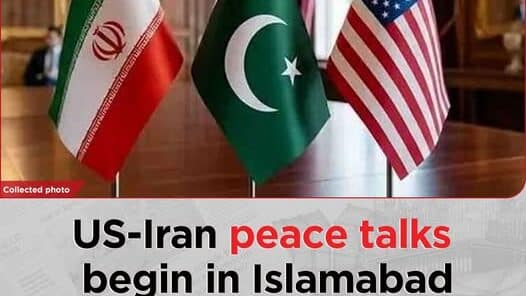
In a region long defined by complex geopolitics, shifting alliances, and deep-rooted tensions, the recent peace talks held in Islamabad have emerged as a significant, if cautious, step toward stability. Hosted in Pakistan’s capital, these discussions brought together key regional stakeholders, diplomatic envoys, and international observers, all with the shared aim of easing longstanding conflicts and opening new channels for cooperation. While expectations remain measured, the Islamabad peace talks signal a renewed willingness to engage in dialogue over confrontation.
At the heart of these peace talks lies a recognition that decades of conflict have yielded little beyond economic strain, humanitarian crises, and mutual distrust. Whether addressing cross-border tensions, internal insurgencies, or broader regional rivalries, the participating parties appeared to acknowledge that sustainable solutions cannot be achieved through force alone. Islamabad, with its strategic and symbolic importance, provided a neutral yet relevant ground for these conversations.
One of the most notable aspects of the talks was the diversity of representation. Delegations included government officials, security advisors, and in some cases, intermediaries linked to non-state actors. This inclusive approach reflects a growing understanding in modern diplomacy: that peace processes must involve all relevant voices, even those previously sidelined or deemed controversial. Without such inclusion, agreements risk being incomplete or unsustainable.
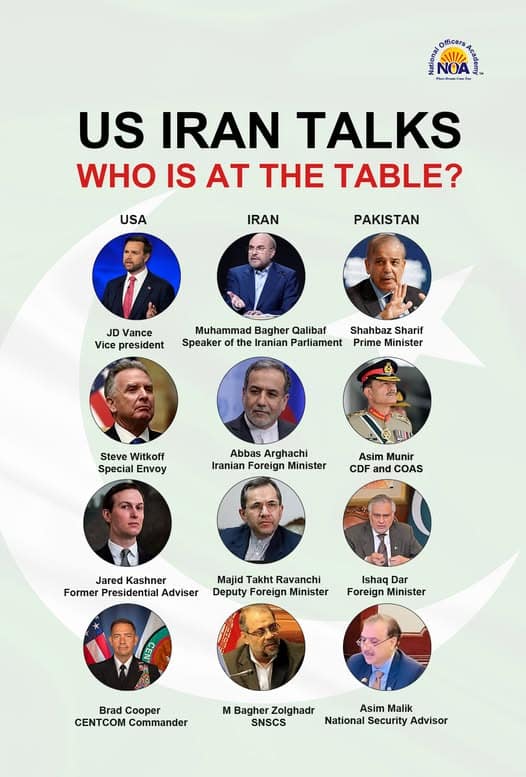
The agenda reportedly covered a wide range of issues, from ceasefire agreements and border management to economic cooperation and counterterrorism efforts. While official statements remained carefully worded, sources close to the discussions suggested that there was tangible progress on confidence-building measures. These include proposals for increased communication between military officials, mechanisms to prevent accidental escalations, and frameworks for humanitarian access in conflict-affected areas.
However, the road to peace is rarely straightforward. Skepticism continues to shadow the Islamabad talks, both domestically and internationally. Critics argue that previous agreements in the region have often faltered due to lack of enforcement, political shifts, or breakdowns in trust. For many observers, the true test will not be what is promised at the negotiating table, but what is implemented in the weeks and months that follow.
International involvement in the Islamabad talks added another layer of complexity. Global powers and multilateral organizations have a vested interest in regional stability, particularly given its implications for trade routes, security, and geopolitical balance. Their presence can lend credibility and resources to peace efforts, but it can also introduce competing interests. Striking the right balance between external support and local ownership remains a delicate challenge.
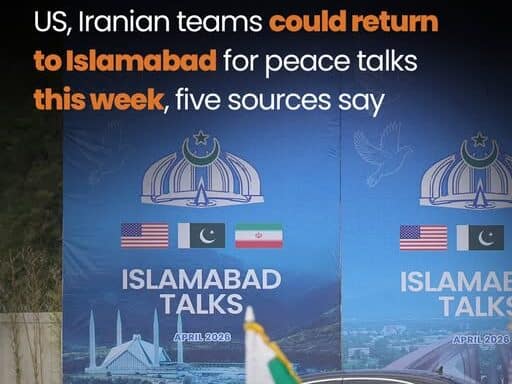
Economics emerged as a recurring theme throughout the discussions. There is a growing realization that peace and prosperity are deeply interconnected. Regional connectivity projects, trade agreements, and infrastructure development were highlighted as potential incentives for maintaining stability. By creating shared economic interests, countries may find stronger motivation to avoid conflict. In this sense, peace is not just a moral or political goal—it is also a practical necessity for growth.
Another important dimension of the talks is the role of trust-building. Years of hostility cannot be undone overnight, and symbolic gestures often matter as much as formal agreements. Reports of informal interactions between delegates—shared meals, side conversations, and cultural exchanges—may seem minor, but they contribute to a broader atmosphere of openness. Diplomacy, after all, is as much about relationships as it is about policies.
Media coverage of the Islamabad peace talks has been mixed, reflecting the broader uncertainty surrounding their outcomes. Some outlets have framed the talks as a breakthrough, emphasizing the mere fact that dialogue is taking place. Others have adopted a more cautious tone, highlighting the gaps that remain and the history of failed negotiations. This divergence underscores the complexity of assessing peace processes in real time.
Looking ahead, the sustainability of the Islamabad talks will depend on several key factors. First, there must be a clear roadmap with achievable milestones. Vague commitments, while politically convenient, often lead to misunderstandings and unmet expectations. Second, accountability mechanisms are essential. Independent monitoring, whether by international bodies or joint committees, can help ensure that all parties adhere to their commitments. Finally, there must be resilience against spoilers—actors who may attempt to derail the process for political or ideological reasons.
It is also important to recognize that peace is not a singular event but an ongoing process. The Islamabad talks, even if successful, represent just one phase in a much larger journey. Follow-up meetings, continued dialogue, and incremental progress will be necessary to translate initial agreements into lasting change. Patience, persistence, and pragmatism will be key.

In conclusion, the Islamabad peace talks offer a cautiously optimistic glimpse into what could be a turning point for the region. While challenges remain significant, the willingness to engage in dialogue is itself a meaningful step forward. Whether these talks lead to substantive and lasting peace will depend not only on the decisions made in conference rooms, but also on the collective commitment of governments, communities, and individuals to move beyond conflict. For now, Islamabad stands as a symbol of possibility—a place where, at least for a moment, the pursuit of peace has taken center stage.