
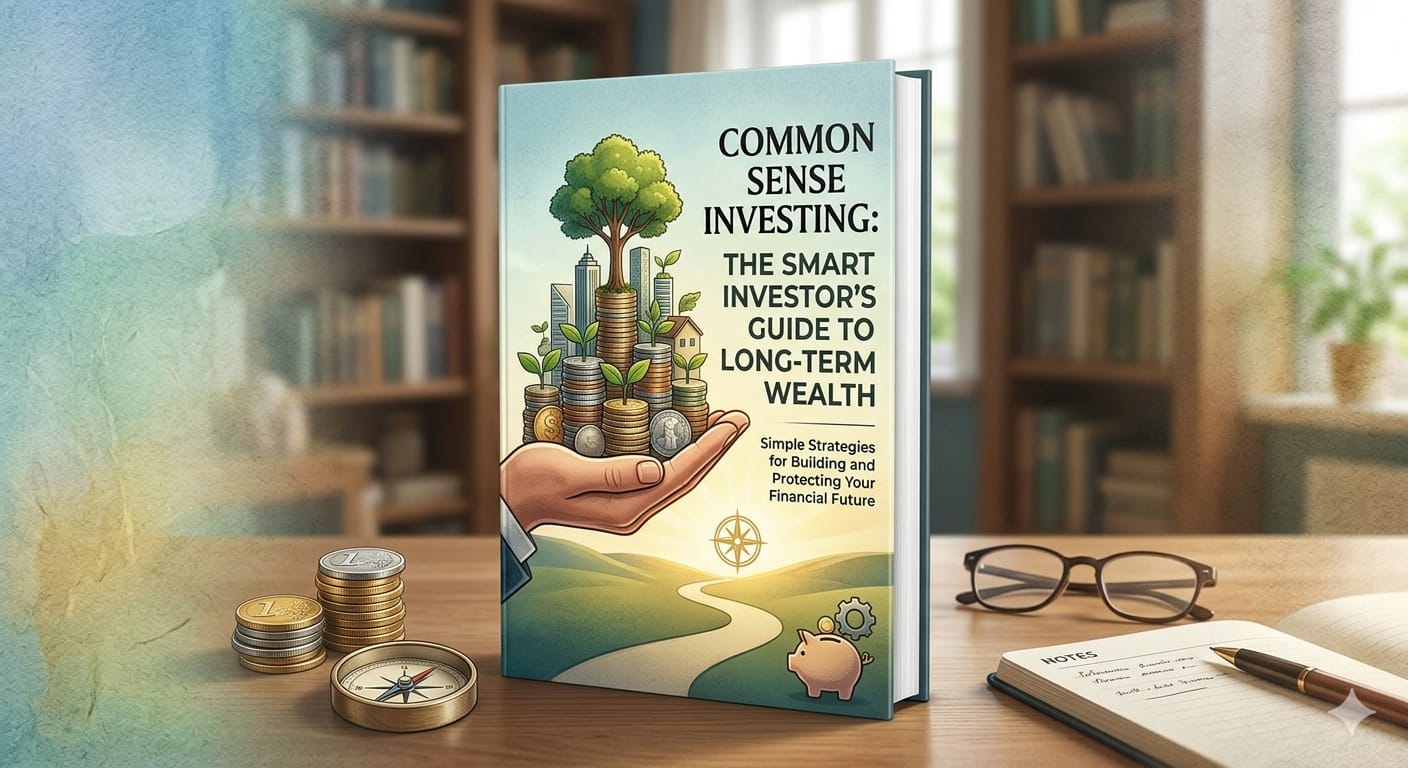
In today’s fast-paced financial world, investors are constantly bombarded with stock tips, market predictions, and “get rich quick” schemes. Many people believe investing requires advanced knowledge, constant trading, and risky strategies. However, The Little Book of Common Sense Investing proves that successful investing can actually be simple, practical, and stress-free.
Written by legendary investor John C. Bogle, this bestselling book introduces readers to one of the most effective investment strategies ever created: low-cost index fund investing. Instead of trying to beat the stock market, Bogle encourages investors to focus on long-term growth, diversification, patience, and minimizing costs.
Whether you are a beginner investor or someone looking to improve your financial future, this book offers timeless wisdom that can help you build lasting wealth.
Who Was John C. Bogle?
John C. Bogle was one of the most respected figures in modern finance and the founder of The Vanguard Group. He transformed the investing world by introducing the first index mutual fund for individual investors.
Bogle believed that ordinary people deserved access to simple and affordable investment opportunities. His philosophy challenged the traditional investment industry, which often relied on expensive management fees and complicated strategies.
Over time, his ideas gained enormous popularity because they consistently delivered strong long-term results for investors.
Today, millions of people around the world follow Bogle’s investment principles to achieve financial freedom and retirement security.
What Is The Little Book of Common Sense Investing About?
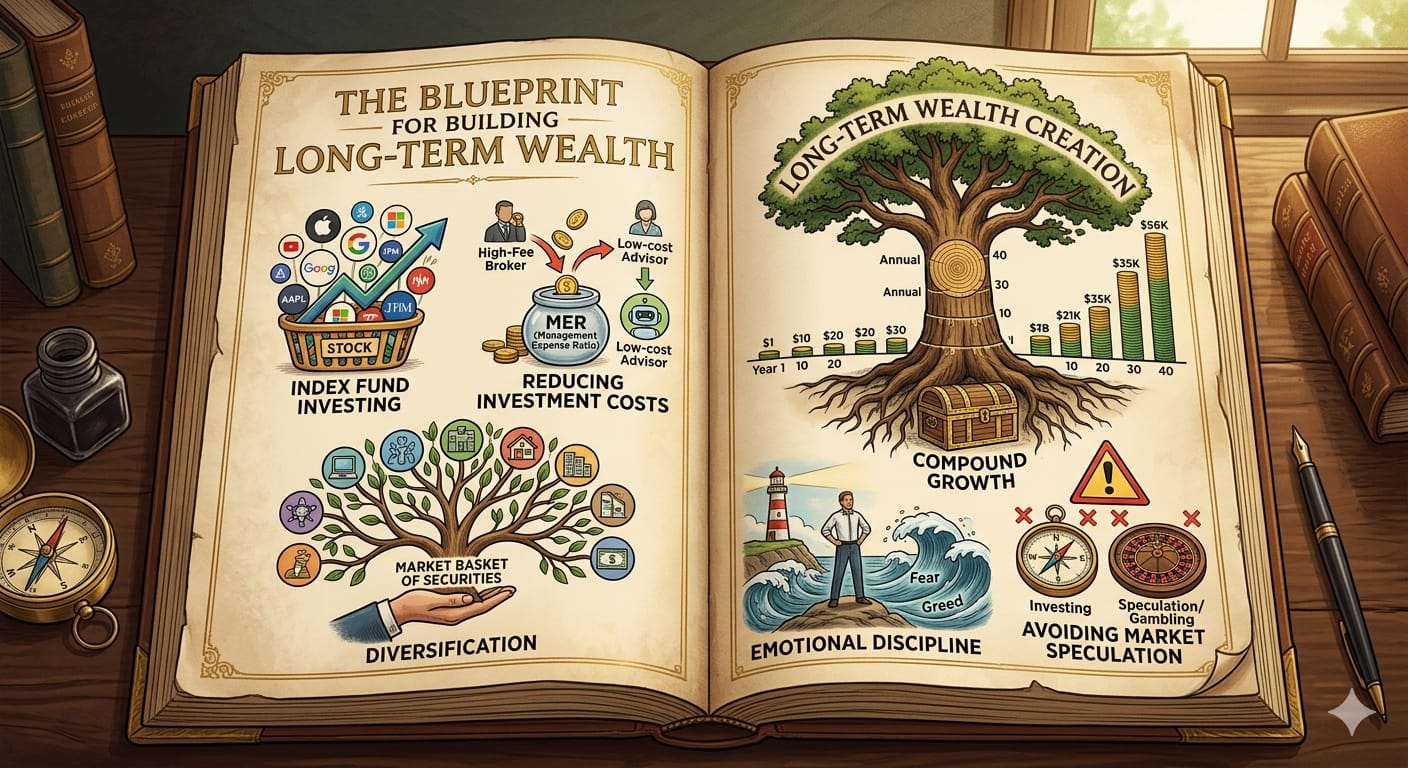
The Little Book of Common Sense Investing focuses on one powerful idea:
The simplest investment strategy is often the most effective.
The book explains why most investors fail to outperform the market and how low-cost index funds can provide better long-term results than actively managed funds.
Some major topics covered in the book include:
- Index fund investing
- Long-term wealth creation
- Compound growth
- Diversification
- Reducing investment costs
- Emotional discipline
- Avoiding market speculation
Bogle’s writing style is simple, reader-friendly, and practical, making the book perfect for beginners and experienced investors alike.
Understanding Index Fund Investing
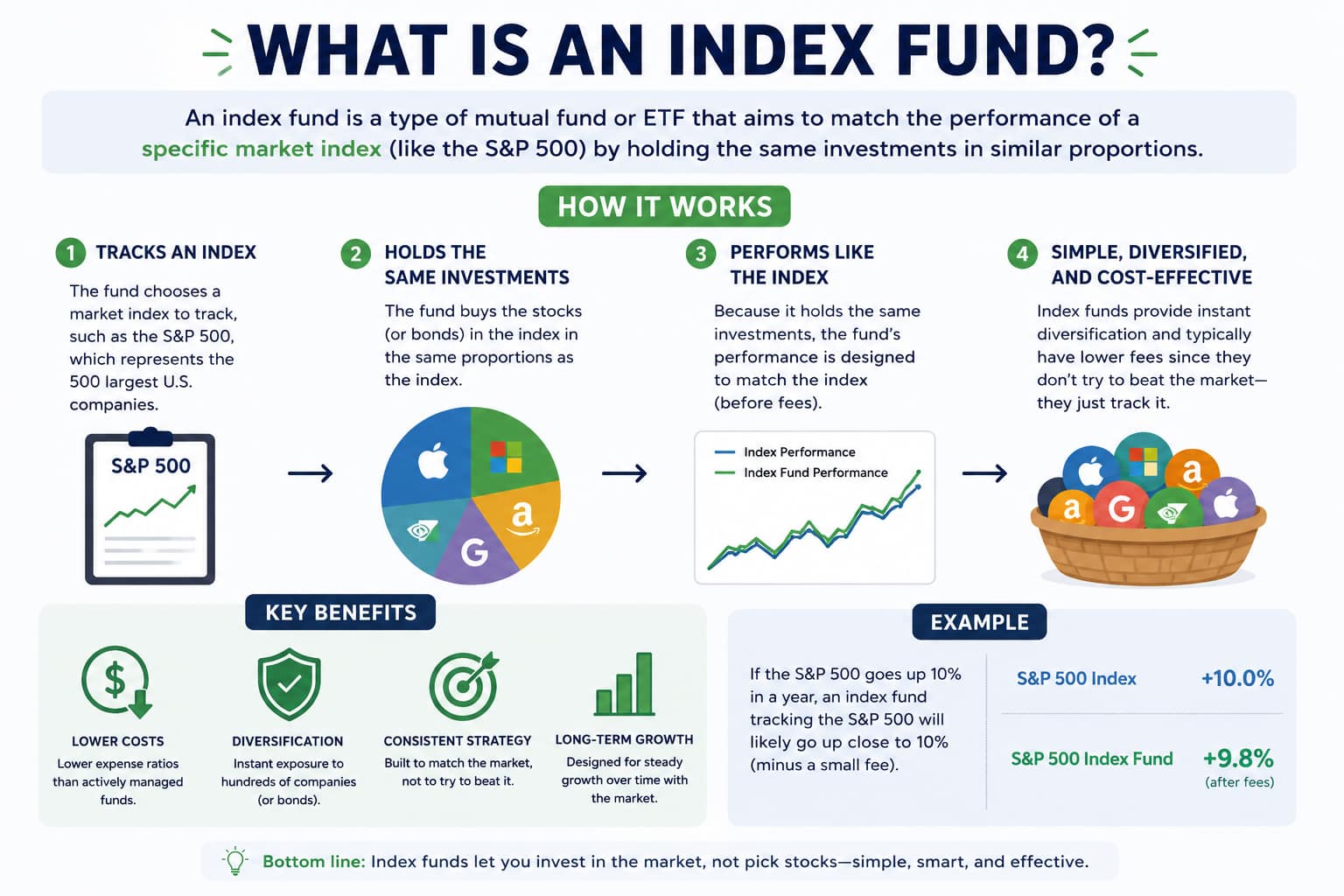
One of the core ideas in the book is index fund investing.
An index fund is a type of investment fund designed to track the performance of a market index, such as the S&P 500. Instead of trying to pick individual winning stocks, index funds allow investors to own a small portion of many companies at once.
According to Bogle, index funds offer several major advantages:
- Low management fees
- Broad diversification
- Reduced investment risk
- Simplicity and convenience
- Strong long-term performance
Because index funds require less active management, investors save money on fees while benefiting from overall market growth.
This simple strategy has become one of the most trusted methods for building long-term wealth.
Why Most Investors Fail to Beat the Market
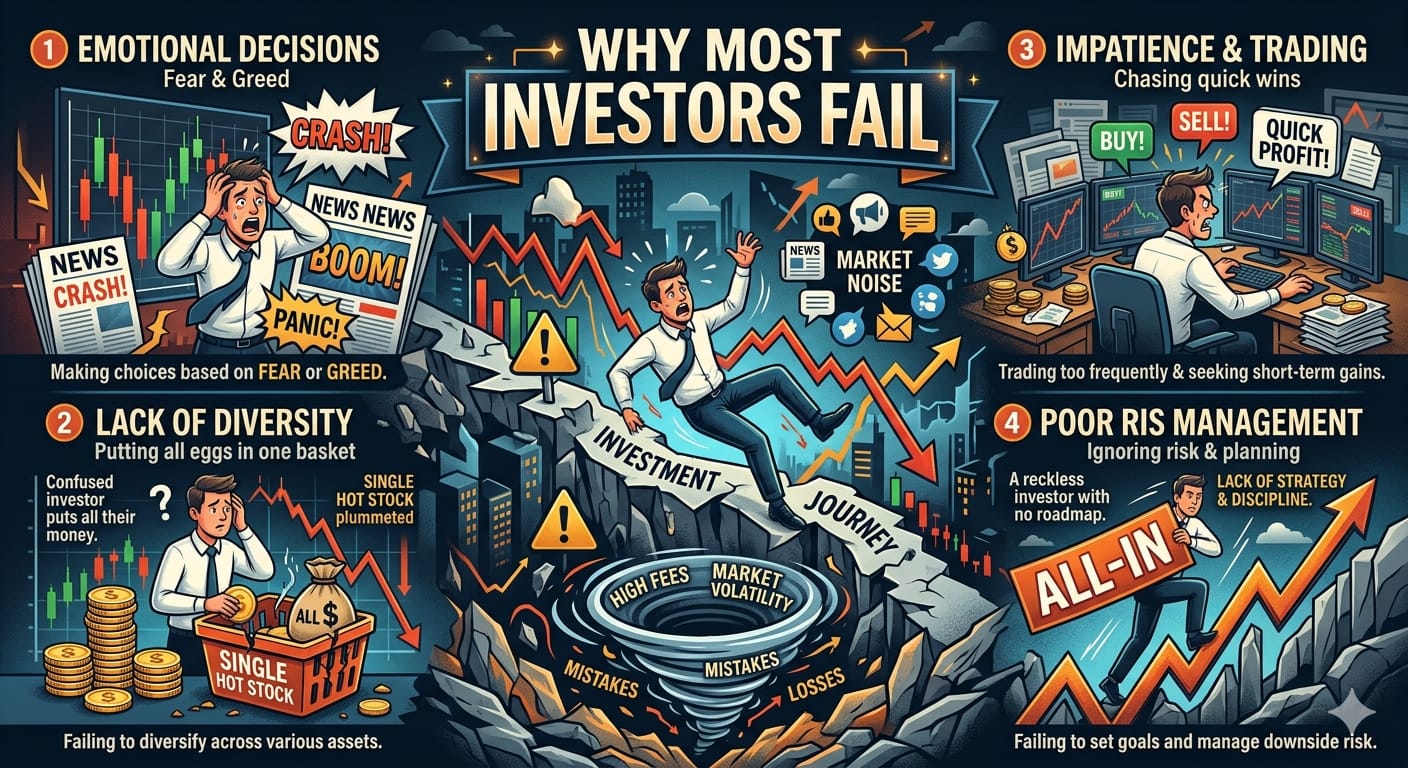
A major lesson from the book is that trying to outperform the stock market is extremely difficult.
Many investors believe they can consistently predict market trends or pick winning stocks. However, Bogle explains that even professional fund managers often fail to beat the market over long periods.
Some common reasons investors struggle include:
- High investment fees
- Emotional decision-making
- Frequent trading
- Poor market timing
- Lack of diversification
Bogle argues that instead of wasting time trying to “beat” the market, investors should focus on participating in the market through low-cost index funds.
This approach reduces stress and improves the likelihood of long-term success.
The Hidden Danger of Investment Fees
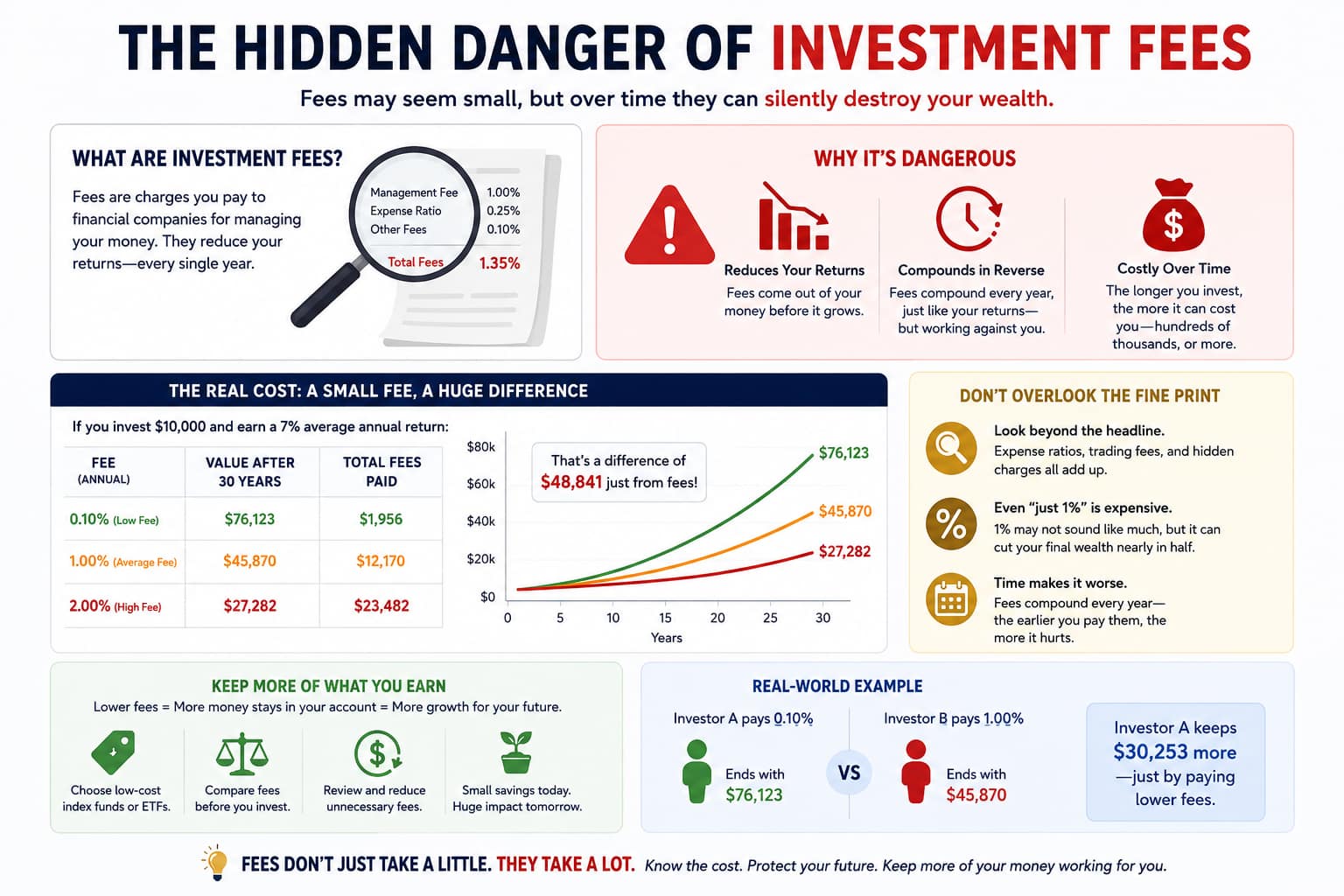
One of the most eye-opening lessons in The Little Book of Common Sense Investing is the impact of fees on long-term returns.
Even small fees can significantly reduce investment profits over time.
For example:
- High management fees eat into returns
- Trading commissions increase costs
- Taxes reduce overall gains
Bogle repeatedly emphasizes that minimizing costs is one of the smartest financial decisions investors can make.
By choosing low-cost index funds, investors keep more of their money invested and benefiting from compound growth.
This philosophy became one of the key reasons behind the success of The Vanguard Group.
The Power of Compound Growth

Another important lesson from the book is the incredible power of compounding.
Compound growth means earning returns not only on your original investment but also on the profits that accumulate over time.
The longer investments remain in the market, the more powerful compounding becomes.
Bogle believed successful investing depends on:
- Starting early
- Investing consistently
- Staying patient
- Remaining disciplined
Instead of chasing quick profits, investors should focus on allowing time and compounding to grow their wealth steadily.
This long-term mindset is one of the foundations of financial freedom.
Emotional Discipline and Smart Investing

Investing success is not only about financial knowledge — it also depends on emotional control.
John C. Bogle explains how fear and greed often cause investors to make poor decisions.
During market crashes, investors may panic and sell investments at a loss. During market booms, people may become overconfident and take unnecessary risks.
Bogle advises readers to:
- Ignore short-term market noise
- Stay calm during volatility
- Focus on long-term goals
- Avoid emotional investing decisions
- Remain disciplined
This emotional stability helps investors avoid costly mistakes and remain focused on long-term growth.
Why This Book Is Perfect for Beginner Investors

One reason The Little Book of Common Sense Investing remains so popular is its simplicity.
Unlike many finance books filled with technical jargon, Bogle explains investing concepts in a clear and practical way that anyone can understand.
The book is ideal for:
- Beginner investors
- Young professionals
- Retirement planners
- Long-term wealth builders
- People seeking financial independence
Its reader-friendly style makes investing feel less intimidating and more achievable.
Timeless Lessons from The Little Book of Common Sense Investing
Some of the most valuable lessons from the book include:
- Keep investing simple
- Invest consistently over time
- Focus on long-term growth
- Diversify your portfolio
- Minimize investment costs
- Stay patient during market fluctuations
- Avoid emotional reactions to market news
These principles may seem simple, but they have helped millions of investors achieve financial success.
Final Thoughts
The Little Book of Common Sense Investing is one of the best investing books for anyone who wants to build wealth through smart and disciplined investing.
Through timeless wisdom and practical advice, John C. Bogle teaches readers that investing success does not require complicated strategies or constant market predictions.
Instead, true financial growth comes from patience, consistency, diversification, and low-cost investing.