
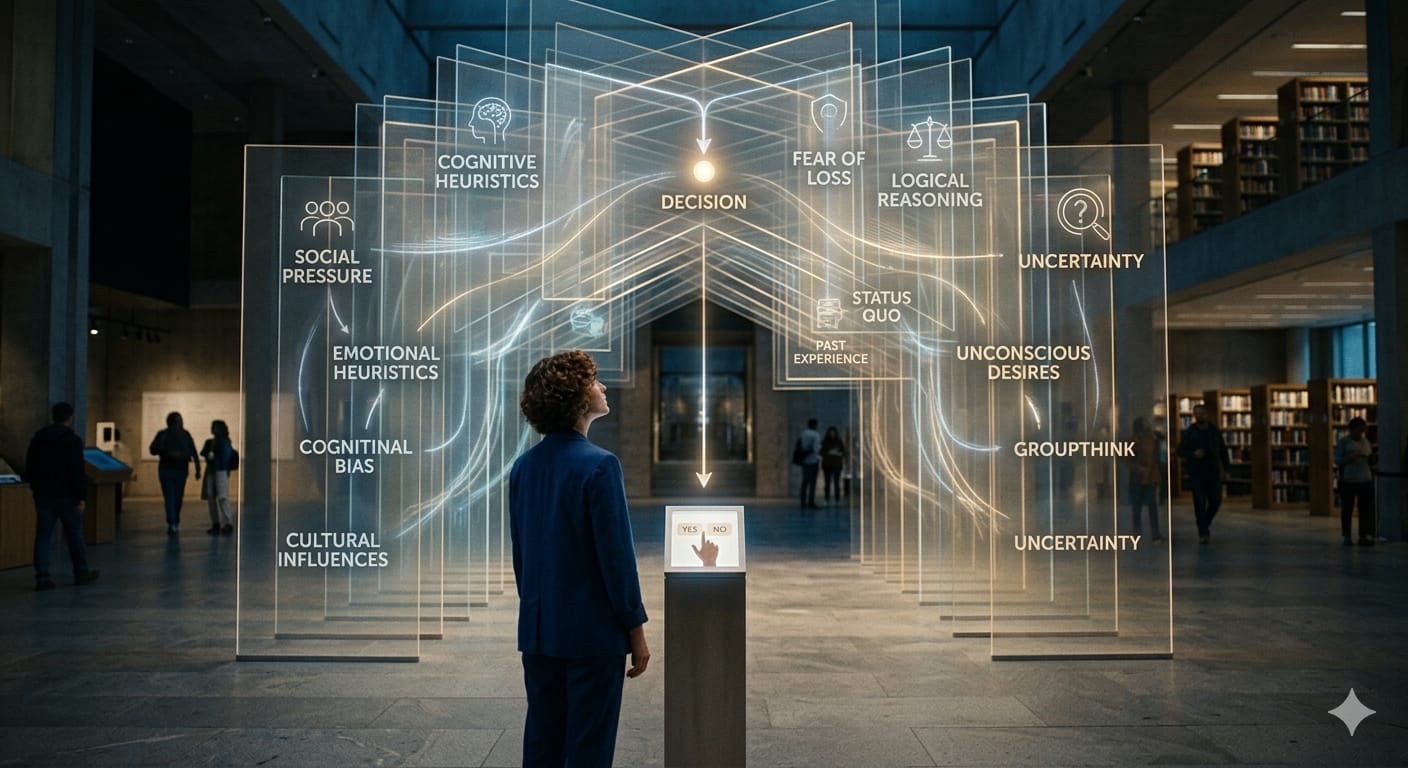
In a world overflowing with information, we make thousands of decisions every day—some small and automatic, others complex and life-changing. But have you ever wondered why we make the choices we do? Why do smart people sometimes make irrational decisions? These are the questions explored in Thinking, Fast and Slow, the groundbreaking book by Nobel Prize-winning psychologist Daniel Kahneman.
Published in 2011, Thinking, Fast and Slow has become one of the most influential books on psychology, decision-making, and human behavior. Drawing on decades of research, Kahneman reveals how our minds work and explains why our judgments are often influenced by hidden biases and mental shortcuts.
The Two Systems That Drive Our Thinking
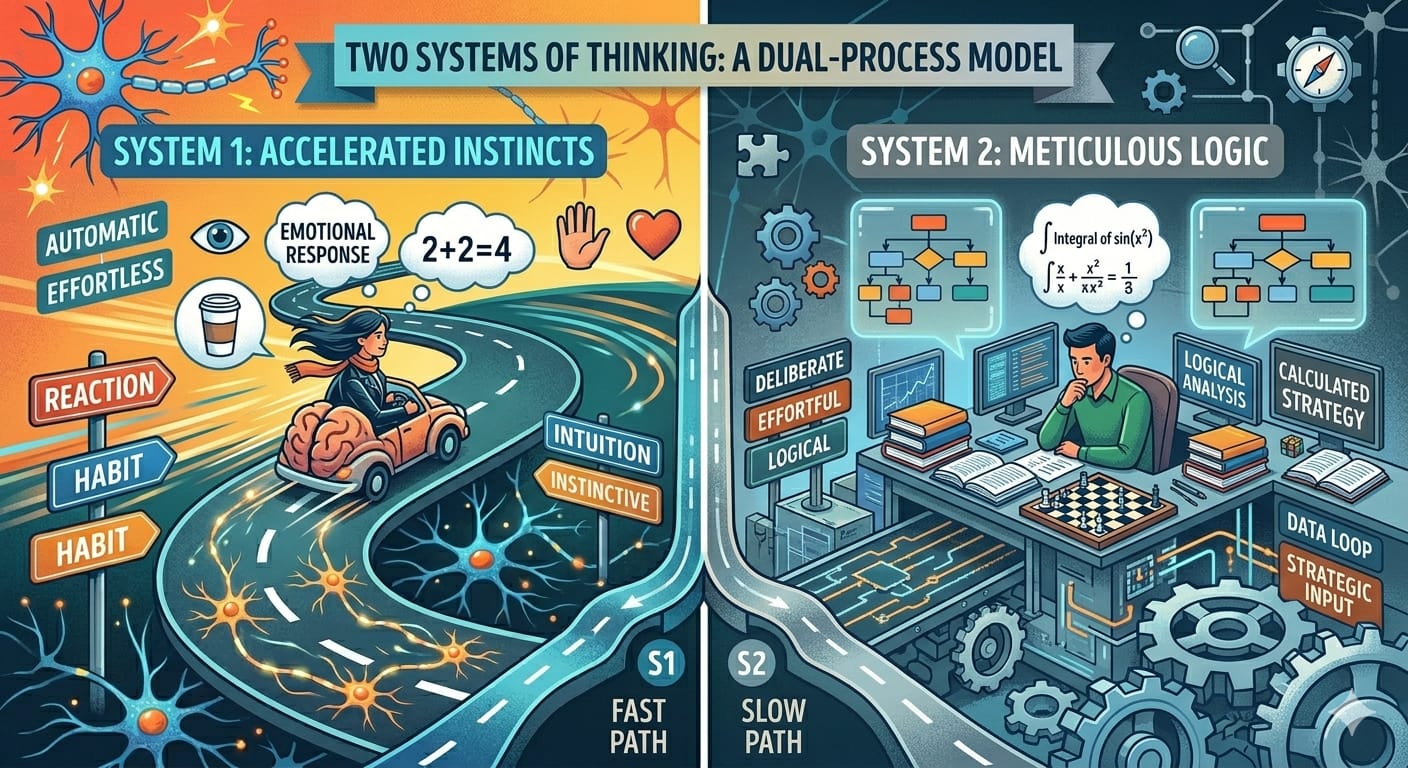
At the heart of the book is a simple but powerful idea: our minds operate through two different systems of thinking.
System 1: Fast Thinking
System 1 is automatic, intuitive, and emotional. It works quickly and effortlessly, allowing us to recognize faces, read simple words, or react instantly to danger.
For example, when you see a smiling face and immediately recognize happiness, you are using System 1. This mode of thinking is incredibly efficient and helps us navigate daily life without constantly analyzing every situation.
However, System 1 can also lead to errors because it relies on assumptions, patterns, and instincts rather than careful reasoning.
System 2: Slow Thinking
System 2 is deliberate, logical, and analytical. It requires concentration and mental effort.
When solving a difficult math problem, planning a financial strategy, or evaluating a major life decision, System 2 takes control. While it produces more accurate results, it consumes energy and attention, which is why we often avoid using it unless necessary.
According to Kahneman, many of our mistakes occur because we rely too heavily on fast thinking when slow thinking is needed.
The Power of Cognitive Biases
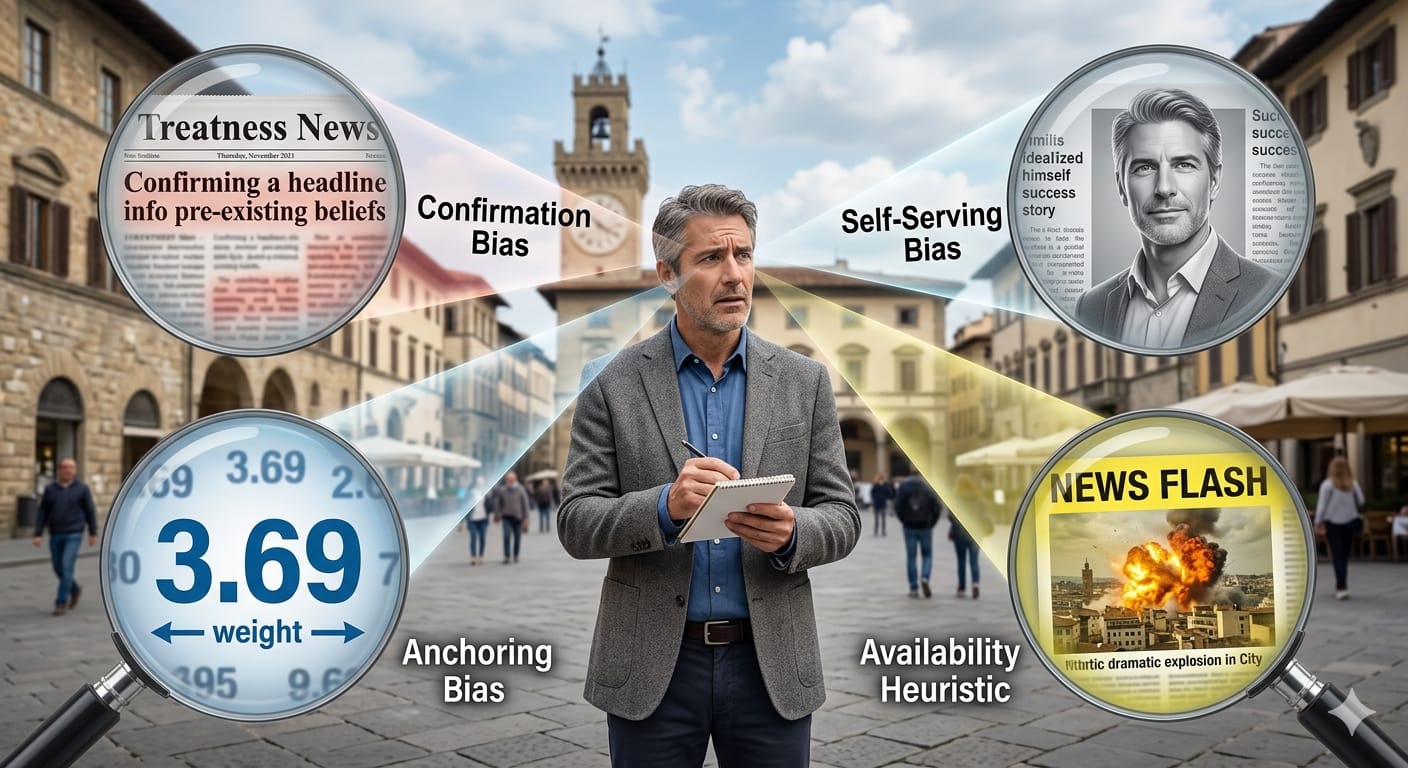
One of the book’s most fascinating contributions is its exploration of cognitive biases—systematic errors in thinking that affect our judgments and decisions.
The Availability Heuristic
People tend to judge the likelihood of events based on how easily examples come to mind.
For instance, after seeing news reports about airplane crashes, many people believe flying is more dangerous than it actually is, despite statistical evidence showing that air travel is remarkably safe.
Anchoring Effect
Our decisions are often influenced by the first piece of information we receive.
Imagine seeing a shirt originally priced at $200 but marked down to $100. The original price acts as an anchor, making the discounted price appear more attractive—even if the shirt may not be worth $100.
Confirmation Bias
Humans naturally seek information that supports their existing beliefs while ignoring evidence that contradicts them.
This tendency affects everything from politics and investing to personal relationships and career decisions.
Kahneman demonstrates that recognizing these biases is the first step toward making better choices.
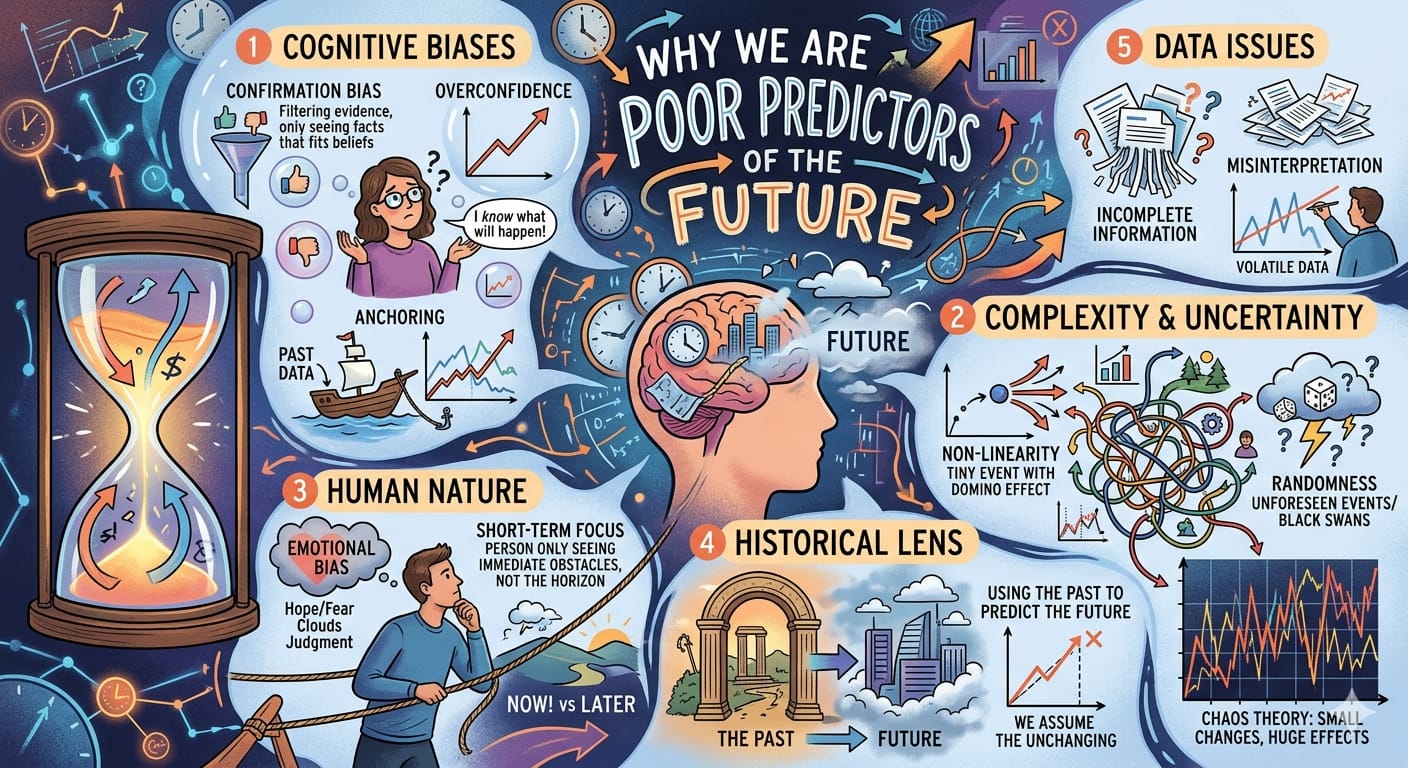
Why We Are Poor Predictors of the Future
One of the book’s most eye-opening lessons is that humans are surprisingly bad at predicting future outcomes.
People often display excessive confidence in their knowledge and abilities, a phenomenon Kahneman calls the “illusion of understanding.”
We create stories that make past events seem predictable, leading us to believe we can accurately forecast the future. In reality, many outcomes are shaped by uncertainty, luck, and factors beyond our control.
This insight is particularly valuable for investors, entrepreneurs, and leaders who must make decisions under conditions of uncertainty.
The Psychology of Loss and Gain
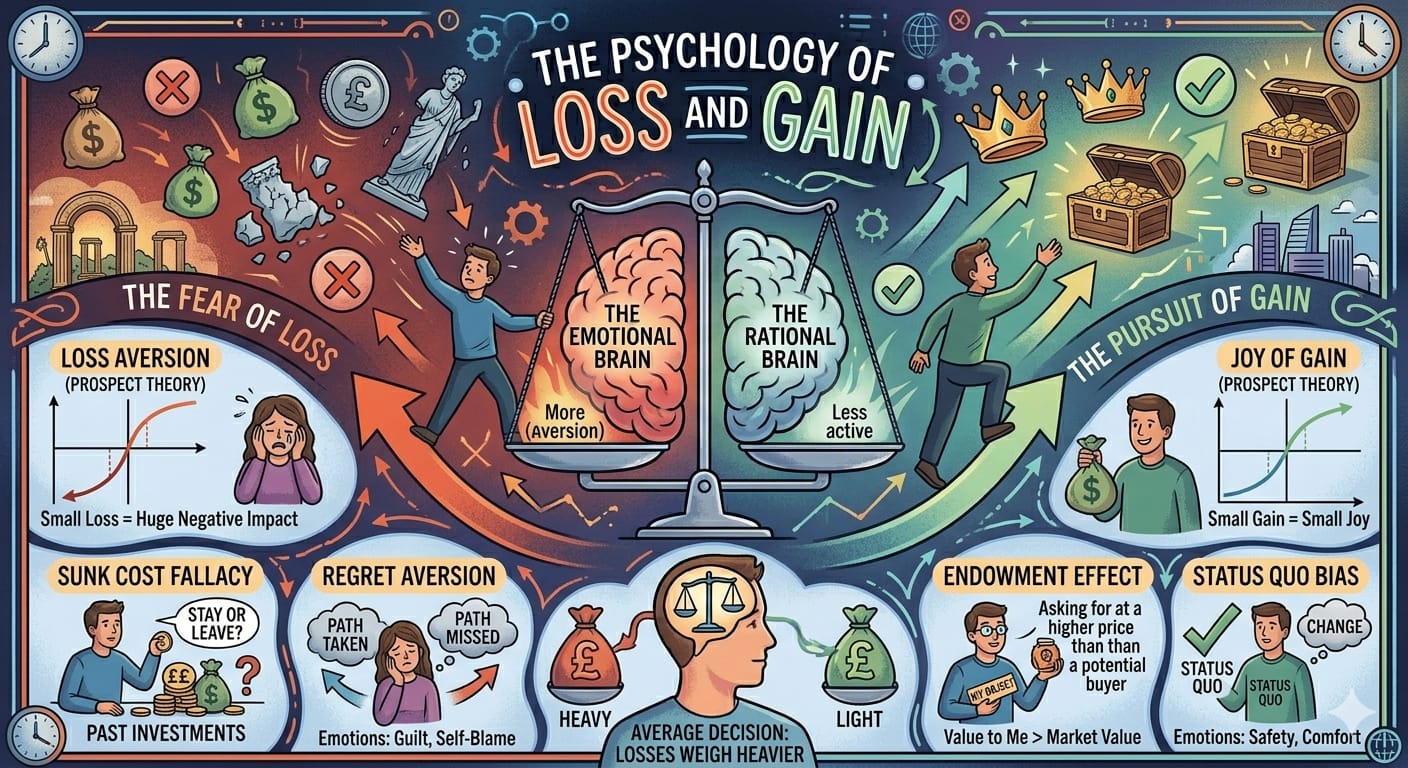
Kahneman’s work on Prospect Theory transformed the field of behavioral economics.
Traditional economics assumes that people make rational decisions to maximize benefits. Kahneman’s research showed that reality is far more complicated.
One of his most important findings is that losses hurt more than equivalent gains feel good.
For example, losing $100 creates a stronger emotional reaction than the pleasure of gaining $100. This phenomenon, known as loss aversion, influences financial decisions, business strategies, and everyday behavior.
Because people fear losses more than they value gains, they often make choices that are emotionally satisfying rather than logically optimal.
Lessons for Investing and Financial Success
Thinking, Fast and Slow offers valuable lessons for investors and anyone interested in personal finance.
Many investment mistakes stem from emotional decision-making. Investors frequently buy assets when excitement is high and sell during periods of fear, often achieving the opposite of long-term success.
Kahneman encourages readers to slow down their thinking, question assumptions, and rely on evidence rather than emotions.
His insights complement the philosophies of successful investors such as Warren Buffett and Charlie Munger, who emphasize rationality, patience, and disciplined decision-making.
Practical Applications in Everyday Life
The beauty of Thinking, Fast and Slow is that its lessons extend far beyond psychology or finance.
Readers can apply Kahneman’s ideas to:
- Making better career decisions
- Improving relationships
- Avoiding costly mistakes
- Negotiating more effectively
- Evaluating information critically
- Becoming more aware of personal biases
Simply understanding that our minds are prone to shortcuts and errors can significantly improve judgment and decision-making.
Why This Book Remains Relevant
More than a decade after its publication, Thinking, Fast and Slow remains essential reading because it explains a timeless truth: humans are not perfectly rational.
In an age dominated by social media, constant information, and rapid decision-making, understanding how our minds work has never been more important.
Kahneman’s research helps readers become more thoughtful, self-aware, and less vulnerable to manipulation and cognitive traps.
Final Thoughts
Thinking, Fast and Slow is not just a psychology book—it is a guide to understanding yourself. Daniel Kahneman reveals the invisible mental processes that shape every choice we make, from everyday purchases to life-changing decisions.
While the book challenges many assumptions about human rationality, it also provides a path toward better thinking. By recognizing the difference between fast and slow thinking, identifying cognitive biases, and embracing careful analysis when needed, readers can make smarter decisions in every area of life.
For anyone interested in psychology, personal growth, investing, leadership, or behavioral economics, Thinking, Fast and Slow is a must-read masterpiece that continues to influence how we understand the human mind.