
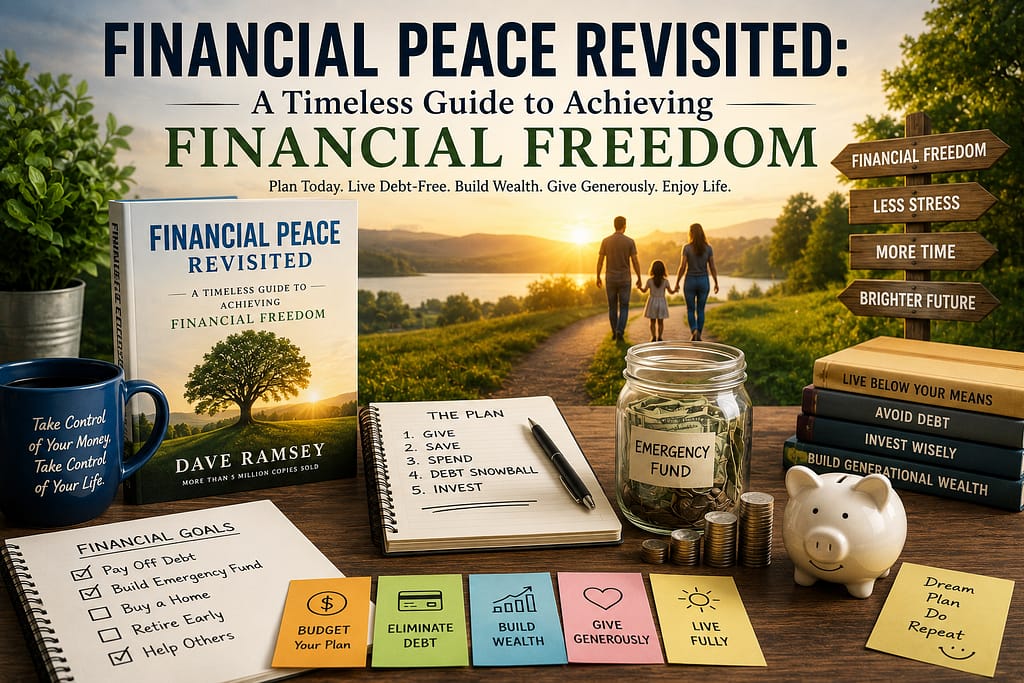
Money is one of the most important aspects of daily life, yet it is also one of the biggest sources of stress for many people. From managing debt and paying bills to saving for retirement and planning for the future, financial challenges can feel overwhelming. This is where Financial Peace Revisited offers valuable guidance.
Written by Dave Ramsey, Financial Peace Revisited is an updated version of his bestselling financial advice that has helped millions of individuals and families regain control of their finances. The book provides practical strategies for eliminating debt, building wealth, and achieving lasting financial peace.
Unlike complicated financial textbooks, Ramsey’s approach is straightforward, actionable, and easy to understand. In this article, we’ll explore the key lessons from Financial Peace Revisited and why it remains one of the most influential personal finance books available today.
What Is Financial Peace Revisited About?
At its core, Financial Peace Revisited is about creating a life free from financial stress. Ramsey argues that financial success is less about income and more about behavior.
Many people struggle financially not because they lack knowledge, but because they develop poor money habits. The book focuses on changing those habits through discipline, planning, and consistent action.
Ramsey’s philosophy centers on a simple idea:
If you manage money wisely and consistently, financial freedom becomes achievable regardless of your starting point.
The book provides a step-by-step roadmap designed to help readers take control of their finances and build a secure future.
The Importance of a Financial Plan
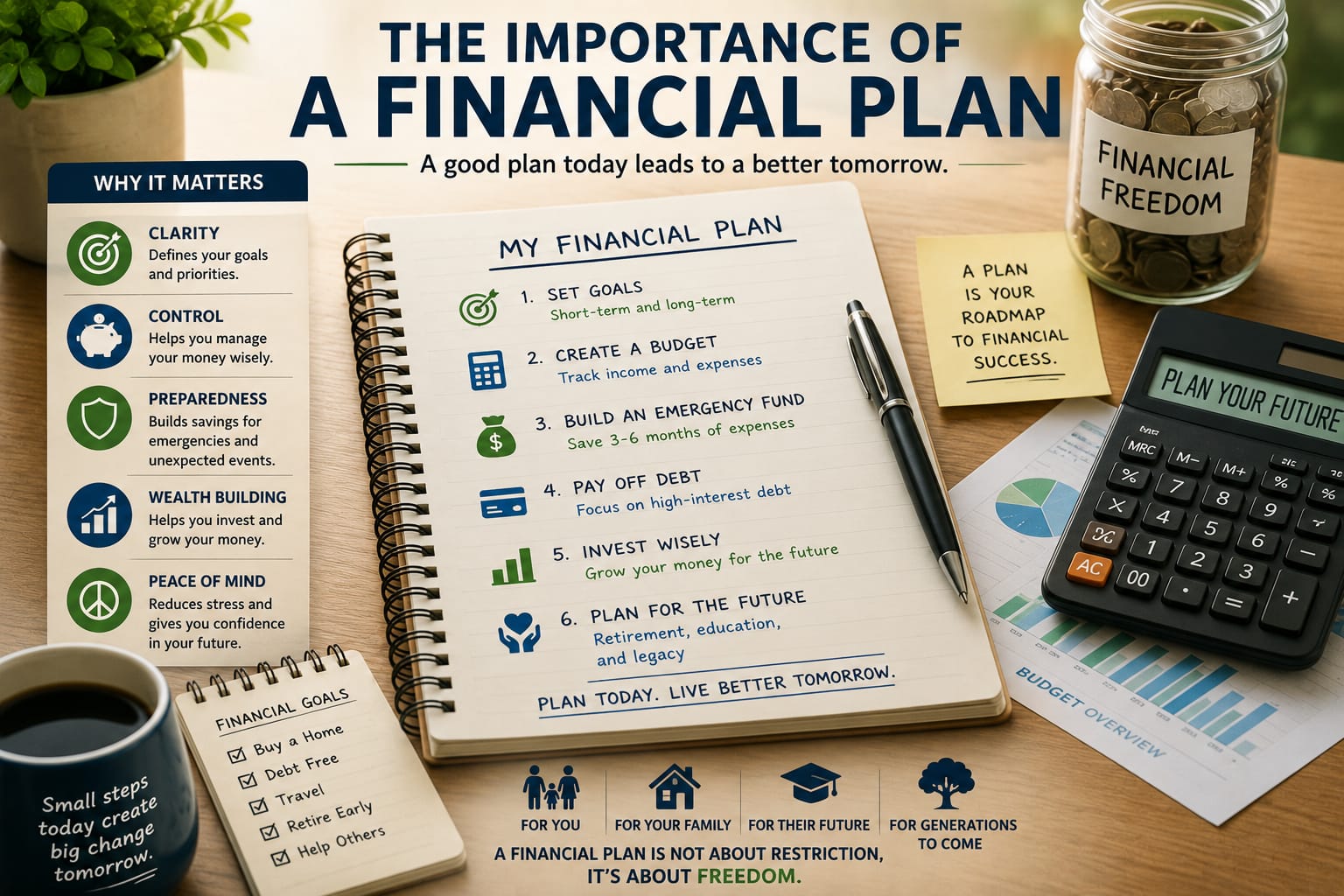
One of the first lessons in the book is the importance of having a clear financial plan.
Many people spend years earning money without a specific strategy for managing it. As a result, they often wonder where their income goes each month.
Ramsey emphasizes that every dollar should have a purpose.
A financial plan helps individuals:
- Track spending
- Set financial goals
- Avoid unnecessary debt
- Build savings
- Prepare for future expenses
Without a plan, financial success becomes much more difficult.
The Power of Budgeting
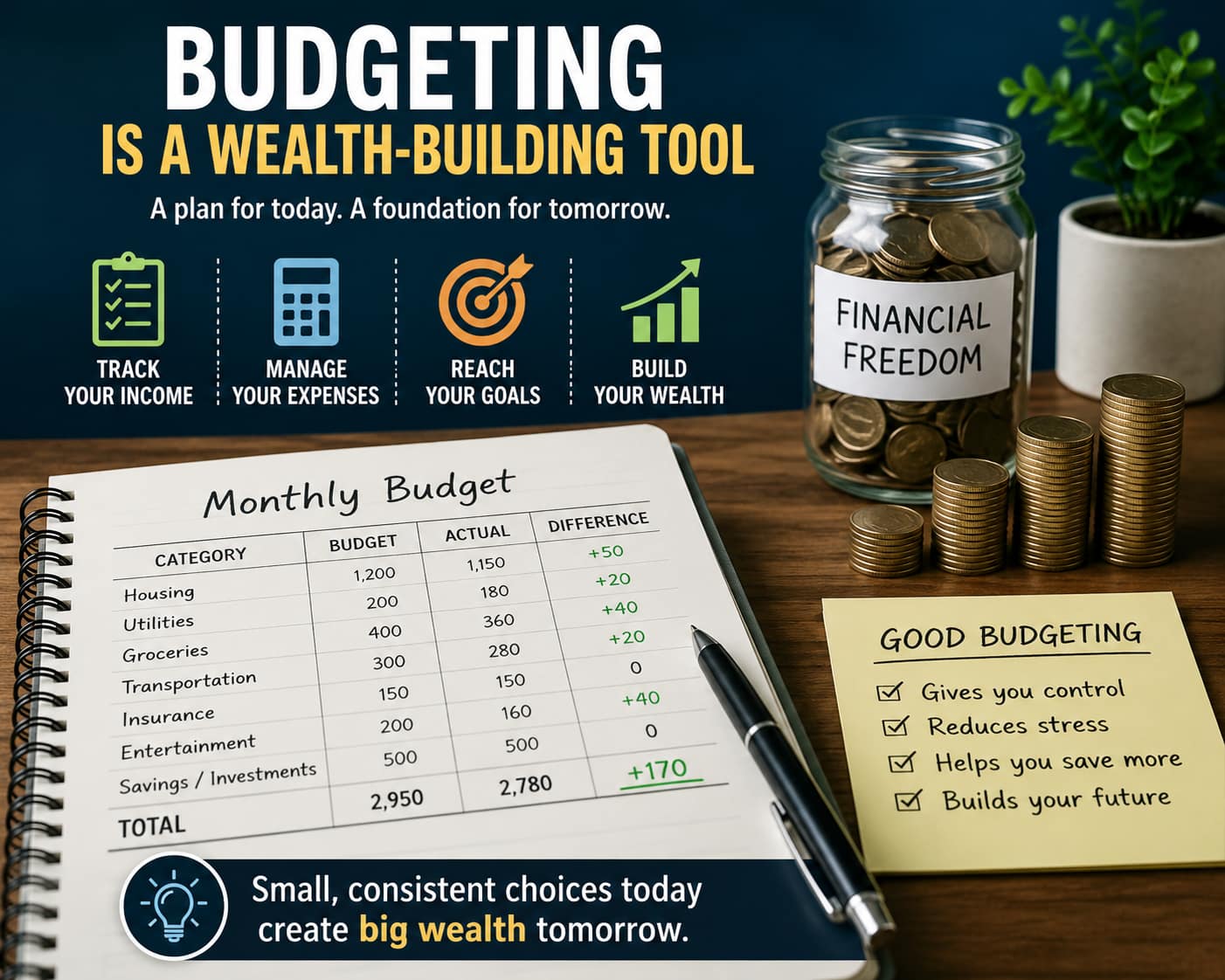
Budgeting is a central theme throughout Financial Peace Revisited.
Ramsey describes a budget as a tool that gives people control over their money rather than allowing money to control them.
A successful budget helps families:
Understand Spending Habits
Many people underestimate how much they spend on small daily purchases. Tracking expenses creates awareness and helps identify areas for improvement.
Prioritize Financial Goals
A budget ensures that important goals such as saving, investing, and debt repayment receive attention before unnecessary spending.
Reduce Financial Stress
Knowing exactly where your money is going provides confidence and peace of mind.
Rather than being restrictive, a budget creates freedom by helping individuals make intentional financial decisions.
Eliminating Debt Through the Debt Snowball
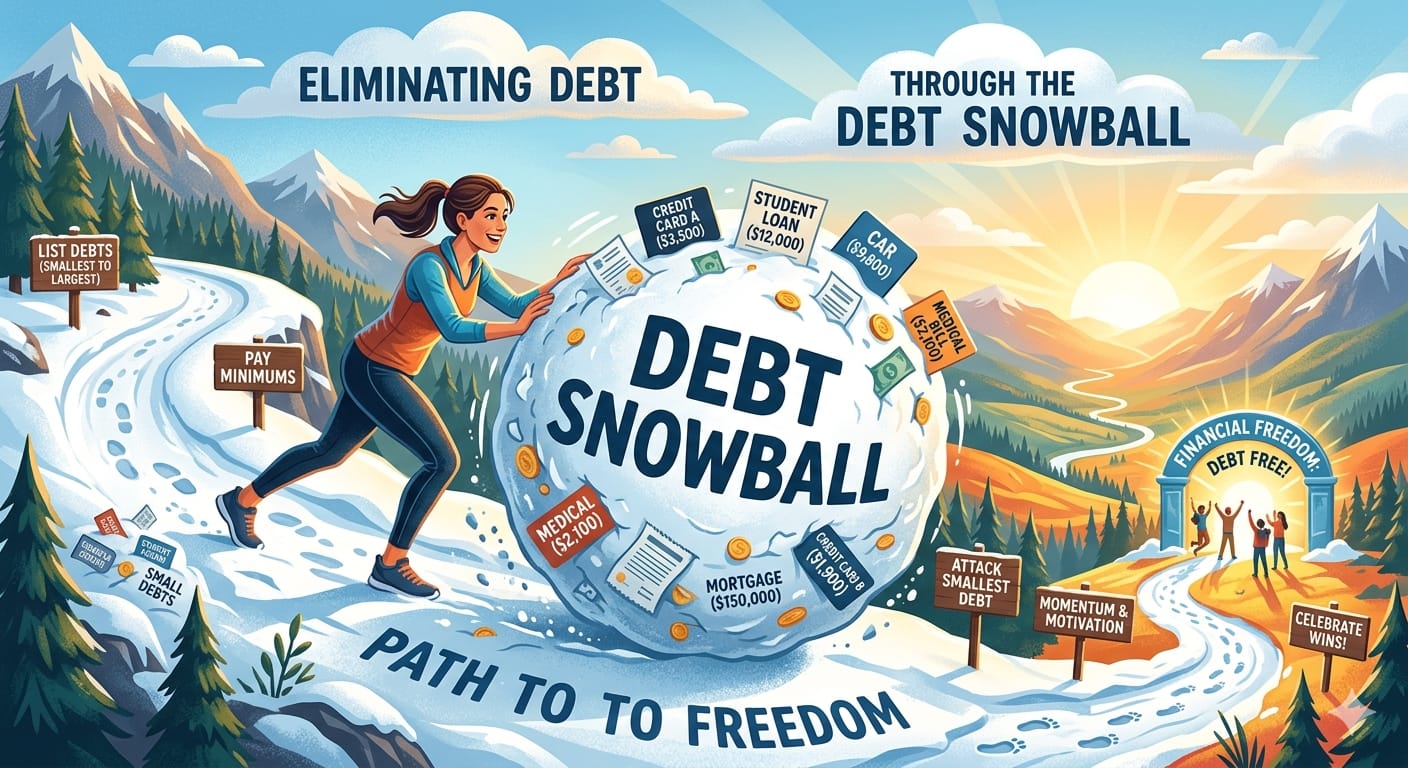
Perhaps the most famous concept in Financial Peace Revisited is the Debt Snowball Method.
Ramsey encourages readers to list their debts from smallest to largest balance and focus on paying off the smallest debt first while making minimum payments on the others.
Once the smallest debt is eliminated, its payment is rolled into the next debt, creating a snowball effect.
The benefits of this strategy include:
- Quick wins that build motivation
- Increased confidence
- Consistent progress
- Greater commitment to becoming debt-free
While some financial experts prioritize interest rates, Ramsey believes that behavioral momentum plays a critical role in long-term success.
Building an Emergency Fund

Unexpected expenses can quickly derail financial progress.
Whether it’s a medical emergency, car repair, or job loss, life is full of surprises. Ramsey strongly advocates building an emergency fund to provide financial protection.
An emergency fund helps:
- Prevent new debt
- Reduce stress
- Increase financial security
- Provide peace of mind
The book encourages readers to start small and gradually build larger savings reserves over time.
Having cash available for emergencies creates stability and confidence during difficult situations.
Living Debt-Free

Ramsey is widely known for his strong stance against consumer debt.
According to the book, debt often limits financial freedom by forcing individuals to devote future income toward past purchases.
Common forms of debt include:
- Credit card debt
- Personal loans
- Auto loans
- Consumer financing
The book encourages readers to avoid unnecessary borrowing whenever possible and focus on purchasing items they can afford.
By eliminating debt, individuals gain greater control over their financial future and increase their ability to save and invest.
Investing for Long-Term Wealth

While debt elimination is important, Financial Peace Revisited also focuses on wealth building.
Ramsey emphasizes the importance of investing consistently over long periods.
Key investing principles include:
- Start as early as possible
- Invest regularly
- Stay focused on long-term goals
- Avoid emotional decisions
- Be patient during market fluctuations
The book highlights the power of compound growth, showing how consistent investing can transform modest contributions into substantial wealth over time.
Building wealth is not about getting rich quickly. It is about making disciplined decisions year after year.
Giving and Generosity

One unique aspect of Ramsey’s philosophy is his emphasis on generosity.
He believes that financial success should not be measured solely by personal wealth but also by the ability to help others.
The book encourages readers to:
- Support charitable causes
- Help family members when appropriate
- Give from a position of financial strength
According to Ramsey, generosity creates a healthier relationship with money and contributes to a more fulfilling life.
Key Lessons from Financial Peace Revisited
Several powerful lessons make this book valuable for readers of all financial backgrounds.
Behavior Matters More Than Knowledge
Financial success often depends more on habits and discipline than on advanced financial expertise.
Small Steps Create Big Results
Consistent actions over time lead to significant financial improvements.
Debt Limits Freedom
Reducing and eliminating debt increases flexibility and financial security.
Planning Creates Confidence
A clear financial roadmap helps reduce uncertainty and stress.
Wealth Building Takes Time
Patience and consistency remain essential components of long-term financial success.
Final Thoughts
Financial Peace Revisited remains one of the most practical and influential personal finance books ever written. Through its straightforward advice on budgeting, debt elimination, emergency savings, investing, and generosity, the book provides a realistic path toward financial freedom.
Dave Ramsey’s message is simple yet powerful: financial peace is available to anyone willing to develop disciplined money habits and follow a proven plan.
Whether you’re struggling with debt, looking to improve your financial habits, or seeking long-term wealth-building strategies, Financial Peace Revisited offers valuable guidance that can help transform your financial future. Its timeless principles continue to inspire readers to take control of their money and create lives defined by confidence, security, and lasting financial peace.
Financial Peace Revisited, Dave Ramsey, personal finance, debt snowball method, budgeting, financial freedom, emergency fund, debt-free living, money management, wealth building, financial planning, investing, financial peace, personal finance books.