

This is where Get the Hell Out of Debt: The Proven 3-Phase Method That Will Radically Shift Your Relationship to Money stands out. Rather than offering complicated financial theories or unrealistic promises, this practical guide focuses on transforming both your finances and your mindset. The book provides a clear roadmap to break free from debt and build a healthier relationship with money for the long term.
In this article, we’ll explore the book’s key lessons, the three-phase debt elimination method, and why its approach has resonated with so many readers looking for financial freedom.
Why Debt Is More Than Just a Financial Problem
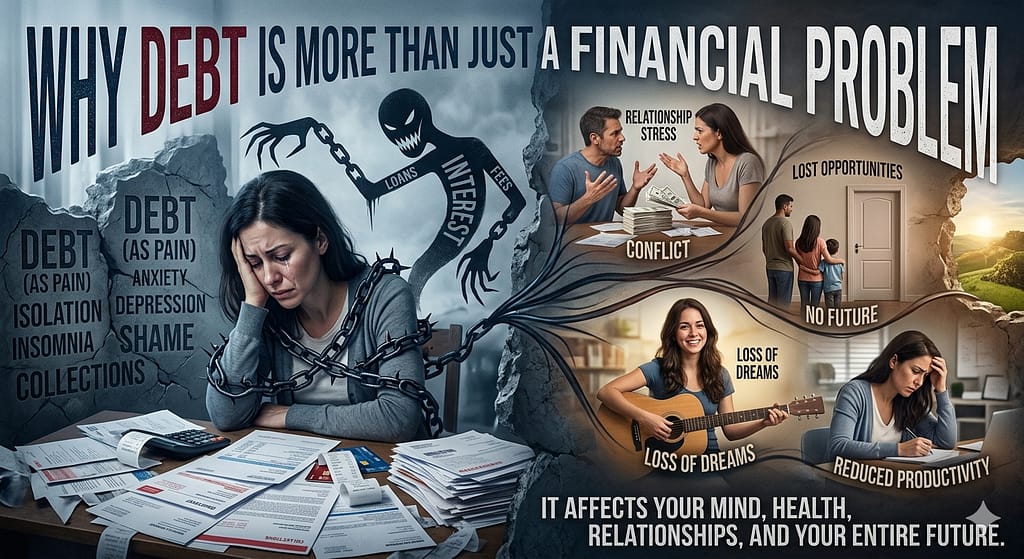
One of the most powerful messages in the book is that debt is not simply a math problem. While numbers matter, debt often stems from emotional habits, beliefs, and behaviors surrounding money.
Many people accumulate debt because of:
- Emotional spending
- Lack of financial education
- Social pressure to maintain a certain lifestyle
- Poor money habits developed over time
- Fear of facing financial reality
The author emphasizes that lasting financial change begins when you address the psychological side of money. Until your mindset changes, even a temporary debt payoff may not prevent future financial struggles.
Phase 1: Face the Truth

The first phase is often the most uncomfortable but also the most important. It requires complete honesty about your financial situation.
Many people avoid checking account balances, opening credit card statements, or calculating how much debt they actually owe. This avoidance creates anxiety and prevents meaningful progress.
The book encourages readers to:
- List every debt they owe
- Calculate total balances
- Understand interest rates
- Track monthly expenses
- Identify spending leaks
While this process may feel overwhelming at first, clarity creates power. Once you know exactly where you stand, you can begin creating a realistic plan.
The author explains that financial freedom starts when you stop hiding from the numbers and start taking ownership of them.
Phase 2: Create an Aggressive Debt Elimination Plan

After gaining clarity, the second phase focuses on attacking debt with purpose and intensity.
The book promotes developing a structured repayment strategy instead of randomly making payments and hoping for the best.
Key strategies include:
Prioritize Debt Repayment
Every extra dollar should have a job. Rather than spending unexpected income on nonessential purchases, readers are encouraged to direct additional money toward debt reduction.
Cut Unnecessary Expenses
The book challenges readers to evaluate spending habits honestly. Small expenses often seem harmless individually, but they can significantly delay debt freedom when added together.
Examples include:
- Frequent dining out
- Subscription services
- Impulse purchases
- Lifestyle upgrades
Reducing these expenses creates additional cash flow that can accelerate debt repayment.
Increase Income
The author also stresses the importance of boosting earnings whenever possible.
This may involve:
- Freelancing
- Starting a side hustle
- Selling unused items
- Working overtime
- Learning valuable new skills
The combination of lower expenses and higher income creates momentum that can dramatically speed up debt elimination.
Phase 3: Transform Your Relationship with Money

Many debt books focus solely on repayment. However, Get the Hell Out of Debt takes things a step further.
The final phase centers on building a sustainable financial future after debt is gone.
According to the book, becoming debt-free is not the finish line. It is the beginning of a new financial life.
Build Healthy Financial Habits
The author encourages readers to replace destructive money behaviors with positive habits such as:
- Budgeting consistently
- Saving regularly
- Investing for the future
- Living below their means
- Setting financial goals
These habits help ensure that debt does not return.
Create Financial Confidence
One of the biggest benefits of becoming debt-free is confidence. Instead of feeling trapped by monthly payments, you gain control over your financial decisions.
This confidence allows you to:
- Handle emergencies more effectively
- Pursue career opportunities
- Start businesses
- Save for retirement
- Enjoy life without constant money stress
Align Money with Personal Values
The book teaches that money should serve your life, not control it.
When your spending aligns with your values and long-term goals, financial decisions become easier. You stop chasing temporary satisfaction and start building lasting security.
Key Lessons from the Book
Several valuable lessons make this book particularly impactful.
Small Actions Create Big Results
Many people believe they need a dramatic financial breakthrough to eliminate debt. The book argues the opposite.
Consistent daily actions often matter more than major one-time changes. Small improvements in spending, saving, and earning can produce remarkable results over time.
Accountability Matters
Debt recovery becomes easier when you stay accountable. Whether through a partner, friend, coach, or support group, sharing your goals increases your chances of success.
Financial Freedom Is Emotional Freedom
Debt affects far more than your bank account. It influences relationships, mental health, confidence, and future opportunities.
By eliminating debt, you gain more than money—you gain peace of mind.
Who Should Read This Book?
This book is ideal for:
- Individuals struggling with credit card debt
- Families looking to improve financial stability
- Young adults building healthy money habits
- Anyone feeling overwhelmed by financial stress
- Readers seeking practical, actionable financial advice
The straightforward language and step-by-step approach make it accessible even for those with little financial knowledge.
Final Thoughts
Get the Hell Out of Debt: The Proven 3-Phase Method That Will Radically Shift Your Relationship to Money delivers a powerful message: debt freedom is possible when you combine practical strategies with meaningful mindset changes.
The book’s three-phase framework—facing the truth, creating an aggressive repayment plan, and transforming your relationship with money—provides a clear path toward financial independence.
More importantly, it reminds readers that money management is not about perfection. It is about progress, consistency, and making intentional choices every day.
If you’re tired of living paycheck to paycheck, stressed about debt, or searching for a realistic plan to improve your finances, this book offers valuable guidance. Its lessons can help you move beyond financial struggle and create a future defined by freedom, confidence, and lasting financial health.
Debt freedom, debt elimination, financial freedom, money management, personal finance, and getting out of debt, while maintaining a natural and engaging reading style.