
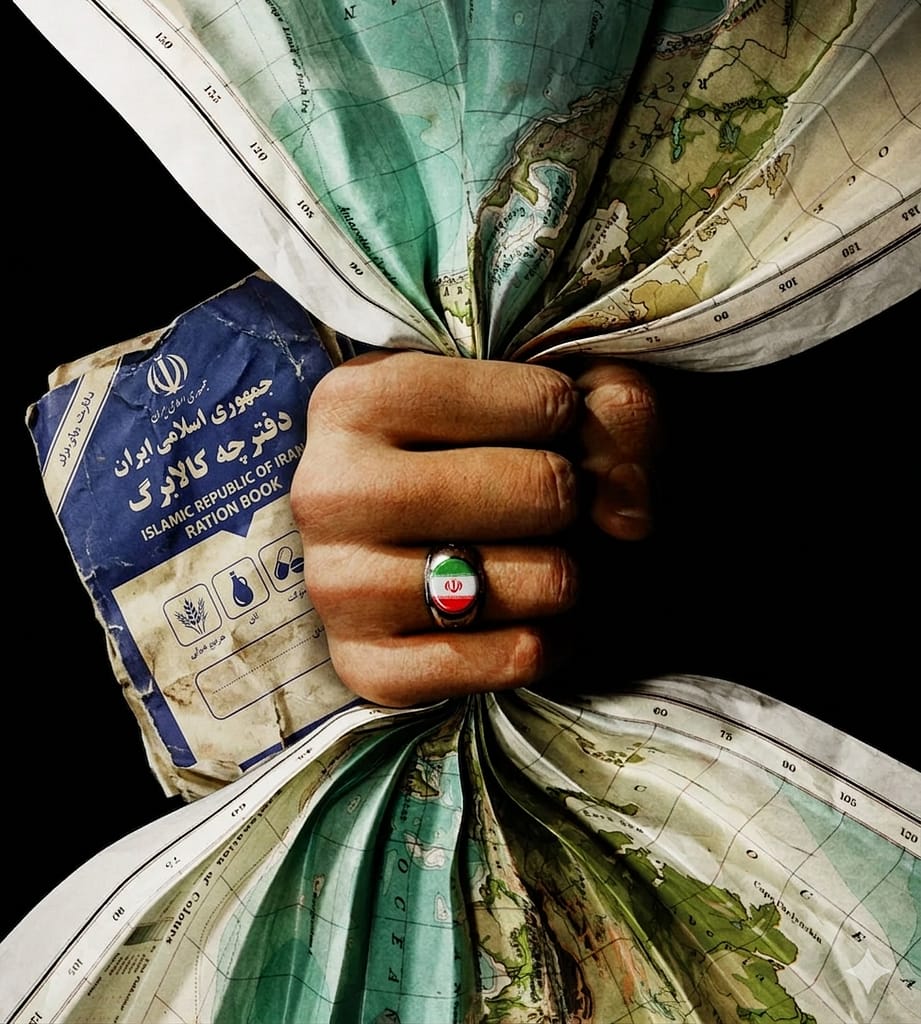
In global geopolitics, comparing Iran and the United States often leads to a simple conclusion: the United States is overwhelmingly more powerful in terms of economy, military technology, and global influence. However, power is not only about size and sophistication—it is also about strategy, geography, endurance, and adaptability.
Despite being far less wealthy and technologically advanced, Iran has developed several key advantages that can challenge the United States, particularly in regional conflicts and asymmetric warfare scenarios. This blog explores five major advantages Iran holds over America, offering a balanced and analytical perspective.
1. Geographic Advantage and Defensive Terrain
One of Iran’s strongest advantages lies in its geography. The country is vast, mountainous, and strategically positioned in the Middle East. Its rugged terrain—filled with mountains, deserts, and fortified underground facilities—makes any large-scale invasion extremely difficult.
Military analysts consistently note that Iran’s landscape complicates targeting and troop movement for external forces. Strategic sites are often hidden deep underground or dispersed across remote areas, making them harder to destroy. (Triumph Times)
Additionally, Iran sits near the Strait of Hormuz, a critical global oil chokepoint. Any conflict in this region has worldwide economic consequences, giving Iran indirect leverage over global markets and political decision-making.
2. Asymmetric Warfare Capabilities
While the United States excels in conventional warfare, Iran has invested heavily in asymmetric warfare—strategies designed to counter stronger opponents.
Instead of relying on expensive aircraft or large-scale military formations, Iran focuses on:
- Ballistic missiles
- Low-cost drones
- Naval swarm tactics
- Guerrilla-style operations
This approach allows Iran to impose significant costs on a stronger adversary without matching its power directly. Iran’s large missile arsenal and mobile launch systems serve as key deterrents. (Triumph Times)
Recent developments also highlight how Iranian-style drone warfare can overwhelm advanced air defense systems due to its low cost and high volume. (Business Insider)
In simple terms, Iran fights smarter—not bigger.
3. Strong Regional Influence and Proxy Networks
Another major advantage is Iran’s network of regional allies and proxy groups. Over decades, Iran has built influence across countries like Iraq, Syria, Lebanon, and Yemen.
These networks allow Iran to:
- Extend its reach without direct confrontation
- Open multiple fronts in a conflict
- Pressure U.S. allies in the region
This strategy makes any conflict far more complex. Instead of facing a single opponent, the United States must deal with a web of interconnected groups, increasing both the cost and unpredictability of military operations.
Experts have noted that such proxy forces can provide Iran with a strategic edge in regional conflicts, particularly in the Middle East. (The Guardian)
4. Cost Efficiency and Economic Warfare Strategy
One of Iran’s most underrated strengths is its ability to fight economically efficient wars.
The United States spends hundreds of billions annually on defense, while Iran operates with a fraction of that budget—yet still manages to remain strategically relevant. (xpressinfu.com)
Iran achieves this by:
- Producing low-cost drones and missiles
- Using decentralized systems
- Forcing opponents to spend heavily on defense
For example, intercepting inexpensive drones often requires costly missile systems, creating an economic imbalance. This means Iran can drain resources from a stronger opponent over time.
This strategy is often referred to as “cost-imposing warfare”—winning not by overpowering, but by outlasting economically.
5. High Tolerance for Prolonged Conflict
Perhaps Iran’s most significant advantage is its ability to endure long-term pressure.
Unlike the United States, which faces political cycles, media scrutiny, and public opinion, Iran operates under a system that can sustain prolonged conflict with fewer internal constraints.
This gives Iran:
- Greater patience in negotiations
- Willingness to absorb economic hardship
- Ability to engage in long-term strategic planning
Analysts often emphasize that Iran’s strategy is not necessarily to win quickly, but to make conflicts long, costly, and politically difficult for its adversaries. (Triumph Times)
In prolonged conflicts, endurance can be as powerful as military strength.
Conclusion
While the United States remains the world’s dominant superpower, Iran has carefully developed strategies that offset its weaknesses and exploit its strengths.
Its geographic position, asymmetric warfare tactics, regional alliances, cost-efficient military approach, and resilience in long-term conflicts give it meaningful advantages—especially in regional and unconventional warfare scenarios.
Understanding these advantages is crucial for anyone analyzing modern geopolitics. Power today is no longer defined solely by size or wealth, but by adaptability, strategy, and the ability to shape the battlefield on one’s own terms.
Final Thought:
In a direct conventional war, the United States would likely dominate. But in a complex, prolonged, and regionally entangled conflict, Iran’s unique strengths ensure that it remains a formidable and resilient adversary.