

Selling a business is one of the most important financial decisions an entrepreneur will ever make. For many owners, a business represents years of hard work, sacrifice, and dedication. While every business owner dreams of maximizing value, determining the right time to sell can be challenging.
Should you sell when profits are high? Should you wait for market conditions to improve? Or should you sell before burnout affects your performance?
The truth is that there is no single perfect moment to sell a business. However, there are several indicators that can help you identify the ideal timing and maximize your return. In this guide, we’ll explore the key factors to consider when deciding whether it’s time to sell your business.
Why Timing Matters When Selling a Business
Timing can significantly influence the final sale price of your business. A company sold during a period of strong growth and profitability often attracts more buyers and higher offers than one sold during a decline.
Many business owners make the mistake of waiting until they are exhausted, facing financial challenges, or dealing with industry disruptions before considering a sale. Unfortunately, by that point, the business may have already lost value.
The best time to sell is often when the business is performing well and buyers can clearly see future growth opportunities.
1. Your Business Is Growing and Profitable

One of the strongest indicators that it’s time to sell is when your business is experiencing consistent growth.
Potential buyers are attracted to companies that demonstrate:
- Increasing revenue
- Strong profit margins
- Stable cash flow
- Loyal customers
- Predictable operations
A growing business gives buyers confidence that future earnings will continue after the acquisition.
Ironically, many owners wait until growth starts slowing before selling. In reality, businesses often command their highest valuations when they are thriving rather than struggling.
2. Market Conditions Are Favorable

External market conditions play a major role in determining business value.
You may want to consider selling when:
- Interest rates are relatively favorable
- Buyers have access to financing
- Industry demand is strong
- Mergers and acquisitions are active
- Competitors are expanding through acquisitions
A strong economy generally creates more competition among buyers, which can increase the sale price.
Monitoring industry trends and acquisition activity can help you identify favorable market windows before they close.
3. You’ve Reached Your Personal Financial Goals

For many entrepreneurs, the decision to sell is driven by personal objectives rather than business performance.
Ask yourself:
- Have I achieved the wealth I wanted to create?
- Am I financially prepared for retirement?
- Can I pursue other opportunities after the sale?
- Does the business still align with my life goals?
If the sale can provide financial security and help you achieve your long-term objectives, it may be the right time to move forward.
Remember that successful entrepreneurs often sell not because they have to, but because they have accomplished what they set out to achieve.
4. You’re Experiencing Burnout

Running a business can be rewarding, but it can also be exhausting.
Many owners spend years handling employee issues, customer concerns, financial pressures, and operational challenges. Over time, this responsibility can lead to burnout.
Common signs include:
- Loss of motivation
- Reduced enthusiasm for growth
- Chronic stress
- Difficulty making decisions
- Desire for a lifestyle change
If you no longer enjoy running the business, your performance may eventually suffer. Selling before burnout negatively impacts operations can help preserve business value while allowing you to focus on new opportunities.
5. The Business Depends Less on You

A business that can operate successfully without the owner is generally more attractive to buyers.
Before selling, consider whether:
- Key processes are documented
- Management teams are in place
- Customer relationships are diversified
- Revenue does not depend solely on you
- Daily operations run smoothly without constant oversight
The more independent your business is, the easier it becomes to transfer ownership and command a premium valuation.
Many buyers are purchasing a system, not just an owner-created job.
6. Industry Changes Are on the Horizon

Industries evolve constantly. New technologies, regulations, consumer preferences, and competitors can dramatically reshape a market.
If you anticipate significant changes that may threaten future profitability, selling before those disruptions occur may be wise.
Examples include:
- Emerging technologies replacing traditional services
- New regulations increasing operating costs
- Changing customer behavior
- Increased competition from larger companies
Selling while your business remains strong can help you avoid future uncertainty and protect your investment.
7. You Receive an Attractive Offer

Sometimes the right time to sell arrives unexpectedly.
An interested buyer may approach you with an offer that exceeds your expectations. Strategic buyers often pay premium prices because they can gain market share, customers, talent, or operational efficiencies through the acquisition.
Even if selling was not part of your immediate plan, a strong unsolicited offer deserves serious consideration.
Before accepting, consult financial advisors, accountants, and business brokers to ensure the offer reflects the true value of your company.
8. Succession Planning Is Becoming a Concern

Many family-owned businesses face challenges when the next generation is not interested in taking over.
If there is no clear successor, delaying the decision can create uncertainty for employees, customers, and stakeholders.
Selling while you have time to prepare the business for transition often leads to better outcomes than waiting until retirement becomes urgent.
Proper succession planning can increase buyer confidence and improve transaction value.
Common Mistakes to Avoid When Selling
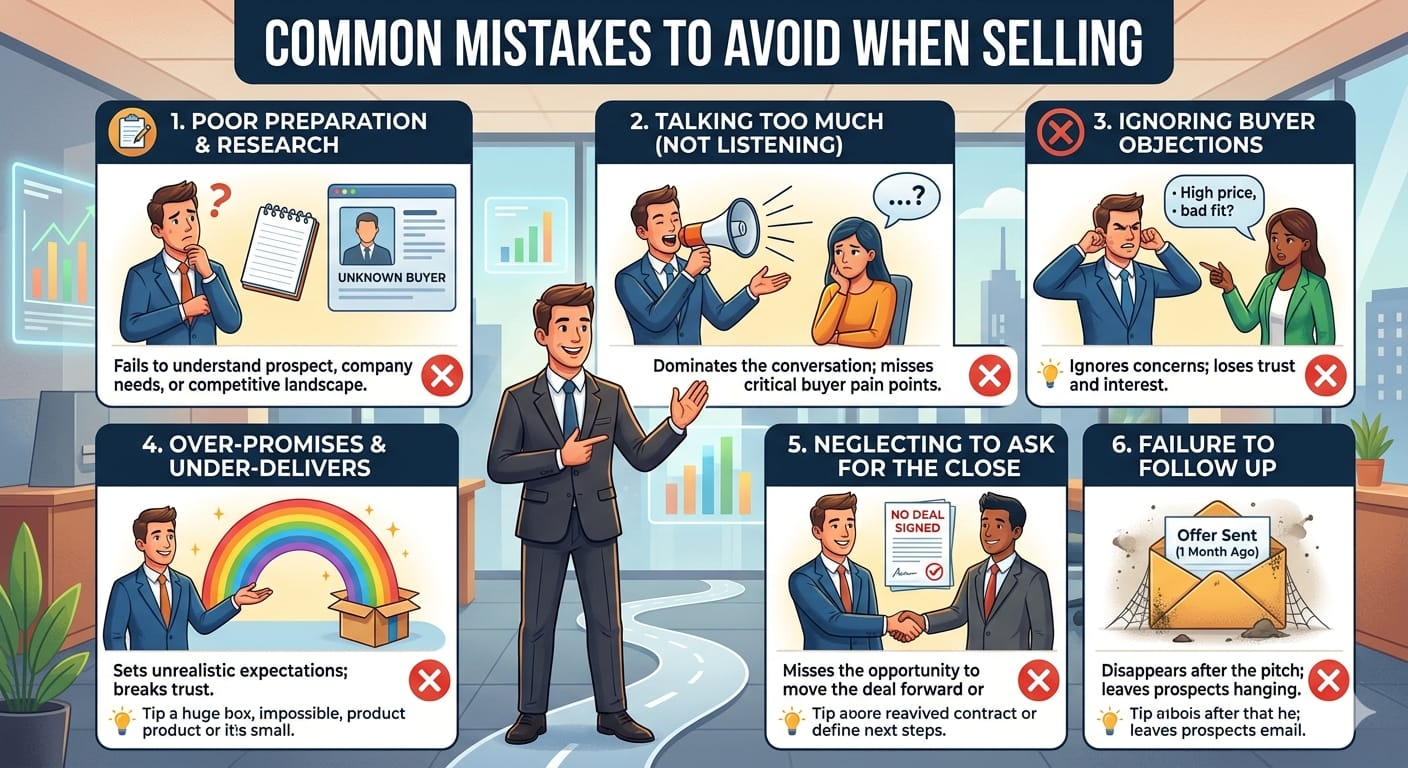
Many business owners unintentionally reduce their business value by making avoidable mistakes.
Some of the most common include:
- Waiting too long to sell
- Failing to prepare financial records
- Overestimating business value
- Neglecting growth opportunities before selling
- Becoming emotionally attached to unrealistic expectations
- Not seeking professional advice
A well-prepared business often attracts more buyers and closes transactions faster.
Final Thoughts
Knowing when to sell your business requires balancing financial performance, market conditions, personal goals, and future opportunities. While there is rarely a perfect moment, the most successful business sales often occur when the company is healthy, growing, and attractive to buyers.
Rather than waiting until circumstances force your hand, begin planning your exit strategy years in advance. By preparing early and monitoring both business performance and personal objectives, you can position yourself to sell from a position of strength.
The right time to sell is not when you must sell—it is when you have the freedom to choose. When your business is thriving, buyers are interested, and your personal goals align with the opportunity, that may be the ideal moment to take the next step and unlock the value you have worked so hard to create.