

Managing money can feel overwhelming. Between bills, savings goals, investments, and endless financial advice online, many people struggle to know where to start. That is why I Will Teach You to Be Rich by Ramit Sethi has become one of the most popular personal finance books of the modern era.
Unlike traditional money guides that focus on extreme frugality and sacrifice, this book teaches readers how to automate their finances, spend guilt-free on things they love, and build long-term wealth through smart financial systems. Whether you are a student, young professional, or someone looking to improve your financial future, this book offers practical steps that can transform the way you manage money.
Why This Book Stands Out
Many personal finance books rely on complicated financial jargon or unrealistic budgeting strategies. I Will Teach You to Be Rich takes a different approach.
Ramit Sethi believes that personal finance should be simple, automated, and focused on what truly matters. Instead of obsessing over small daily expenses, he encourages readers to focus on major financial decisions that have a bigger impact on wealth creation.
The book combines humor, actionable advice, and real-world examples, making complex financial topics easy to understand and implement.
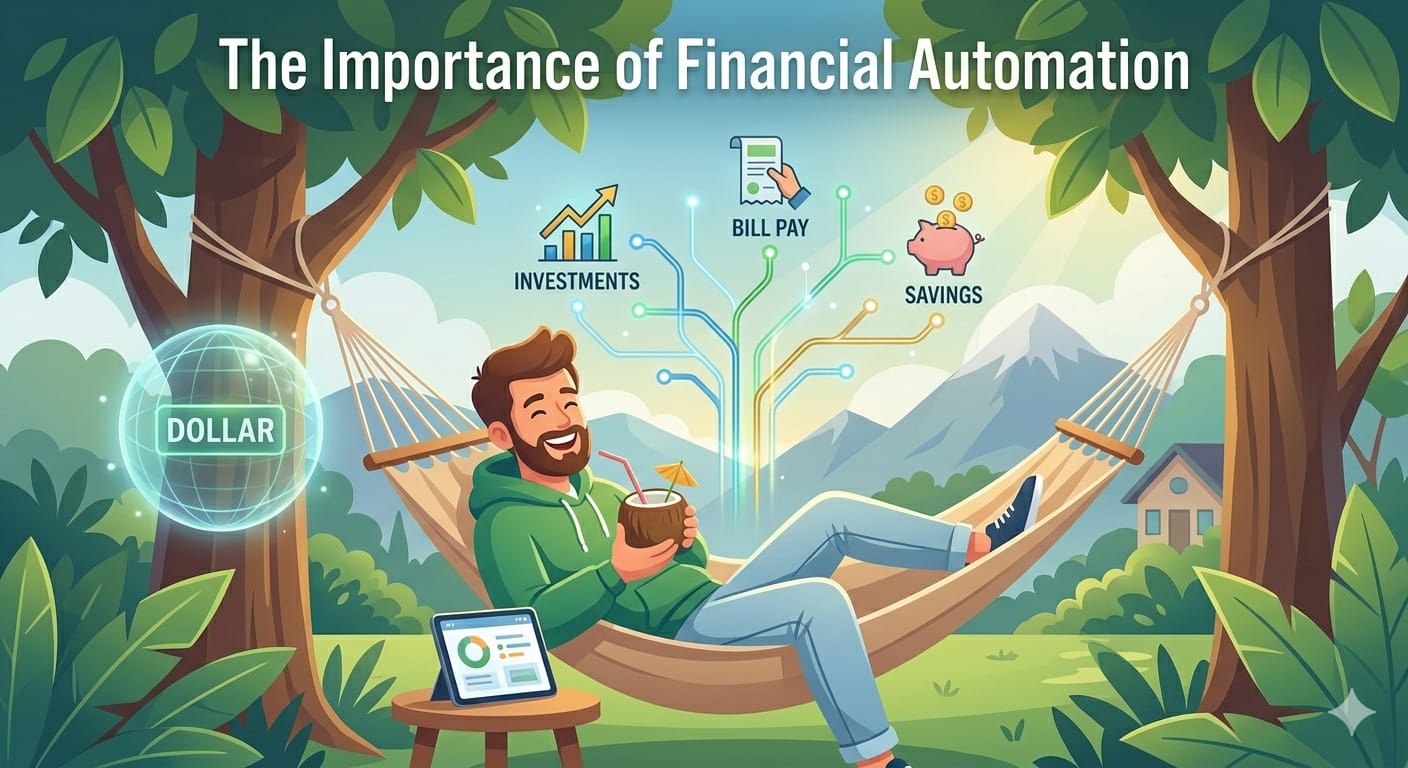
The Importance of Financial Automation
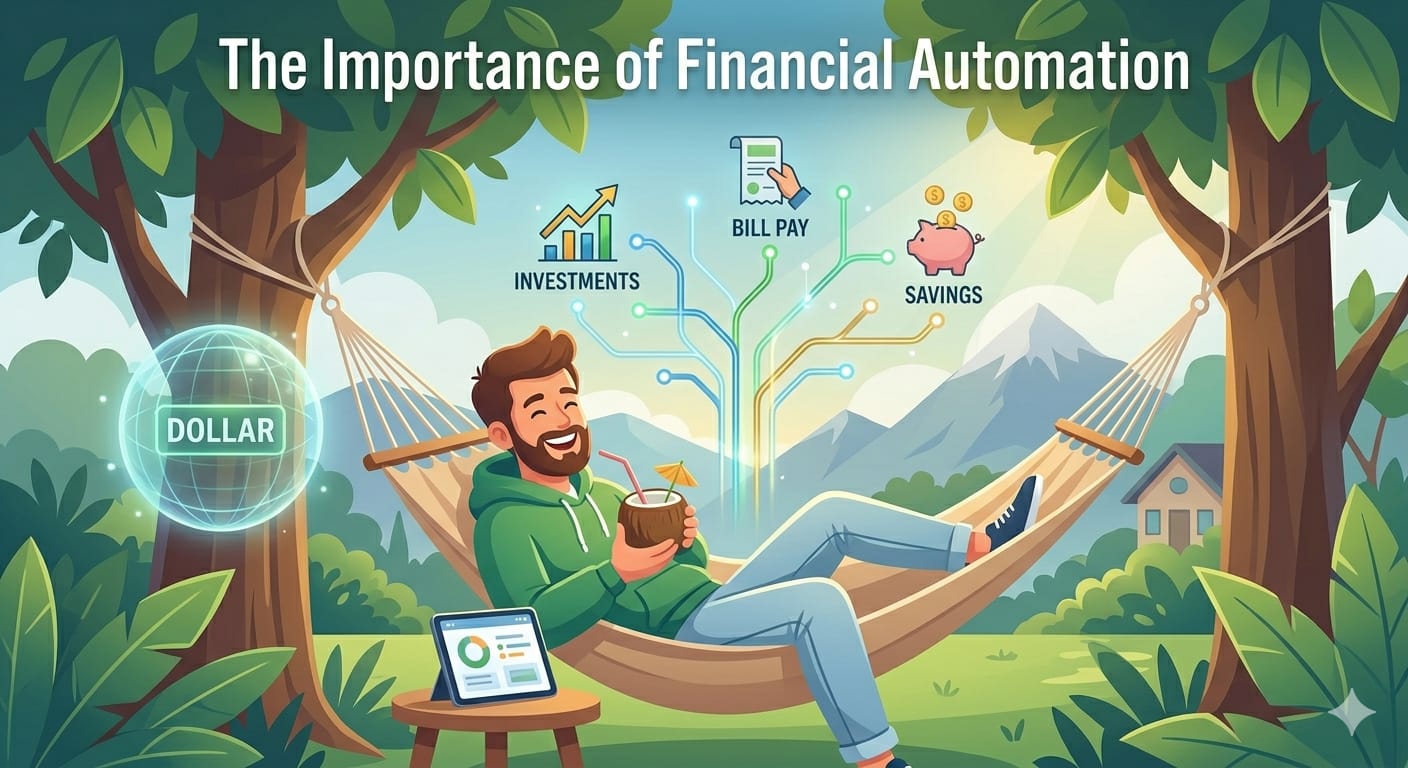
One of the book’s most powerful lessons is the concept of automation.
According to Sethi, people often fail financially not because they lack knowledge but because they fail to take consistent action. Automation removes this problem.
He recommends setting up automatic systems for:
- Savings accounts
- Retirement contributions
- Investment accounts
- Bill payments
- Debt repayment
When money is automatically directed toward important financial goals, individuals are less likely to overspend and more likely to build wealth consistently over time.
Building a Conscious Spending Plan
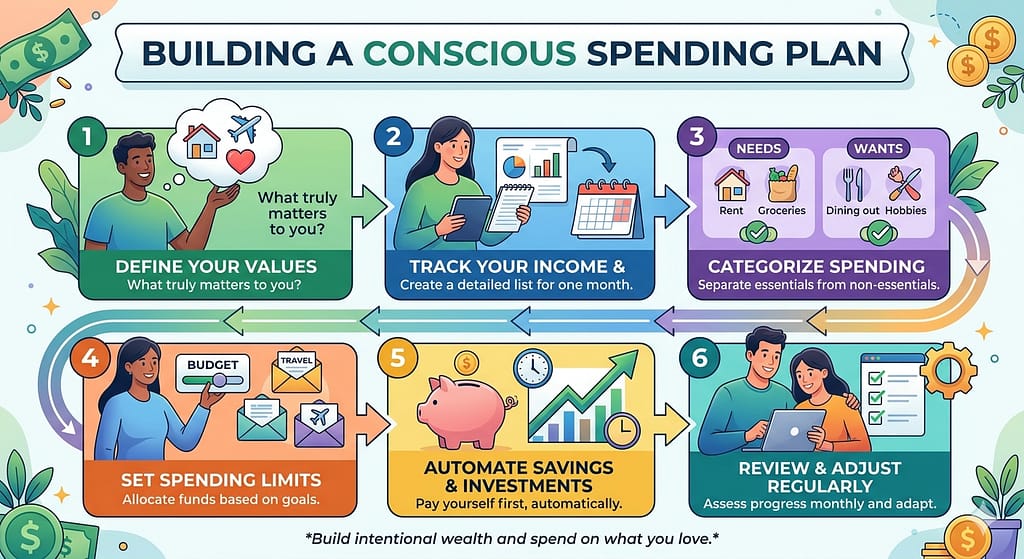
A key concept in the book is the “Conscious Spending Plan.”
Unlike restrictive budgets that make people feel deprived, this system encourages intentional spending. Readers are taught to:
- Cover essential expenses
- Save and invest automatically
- Spend freely on things they genuinely enjoy
The idea is simple: cut expenses mercilessly on things you do not care about and spend generously on things that bring real happiness.
This balanced approach helps people enjoy life while still achieving long-term financial success.
Mastering Credit Cards Responsibly
Many people fear credit cards because of stories about debt and financial mistakes. However, Sethi explains that credit cards can be valuable financial tools when used responsibly.
The book teaches readers how to:
- Build a strong credit score
- Avoid unnecessary fees
- Earn rewards and cashback
- Pay balances in full every month
A healthy credit score can make a significant difference when applying for loans, mortgages, or even certain jobs. Understanding how credit works is an essential part of financial literacy.
The Power of Investing Early
One of the most valuable lessons in I Will Teach You to Be Rich is the importance of starting investments as early as possible.
Many people delay investing because they think they need a large amount of money. Sethi challenges this belief by showing how even small investments can grow dramatically through compound interest.
genui{“math_block_widget_always_prefetch_v2”:{“content”:”A=P\left(1+\frac{r}{n}\right)^{nt}”}}
The book emphasizes that time in the market is often more important than trying to perfectly time the market. Starting early allows compound growth to work in your favor for decades.
Simple Investing for Ordinary People
Sethi strongly advocates low-cost, long-term investing rather than chasing stock market trends.
His investment philosophy includes:
- Diversified portfolios
- Index funds
- Consistent contributions
- Long-term thinking
- Ignoring market noise
This strategy reduces stress and helps investors focus on steady wealth accumulation rather than short-term speculation.
For beginners, this straightforward approach removes much of the confusion surrounding investing.
Negotiation: An Underrated Wealth-Building Skill
One unique aspect of the book is its emphasis on negotiation.
Most personal finance books focus only on cutting expenses. Sethi argues that increasing income often has a greater impact on financial success.
He provides practical tips for negotiating:
- Salary increases
- Service fees
- Credit card rates
- Major purchases
Even small successful negotiations can save thousands of dollars or increase earnings significantly over a lifetime.
Avoiding Common Money Mistakes

Throughout the book, readers learn how to avoid some of the most common financial pitfalls, including:
Living Beyond Your Means
Spending more than you earn can quickly lead to debt and financial stress. Sethi encourages readers to create sustainable spending habits that align with their income.
Waiting Too Long to Invest
Many people postpone investing because they feel unprepared. The book demonstrates why starting now is usually better than waiting for the perfect moment.
Ignoring Financial Systems
Successful money management is less about willpower and more about creating systems that work automatically.
Chasing Get-Rich-Quick Schemes
The author repeatedly emphasizes that real wealth is built through patience, consistency, and smart financial decisions rather than shortcuts.
The Psychology Behind Wealth
One reason this book resonates with readers is its focus on behavior.
Financial success is not solely about numbers. It is also about habits, emotions, and decision-making.
Sethi encourages readers to:
- Develop confidence around money
- Stop feeling guilty about spending
- Focus on long-term goals
- Build healthy financial habits
- Create a rich life on their own terms
This mindset shift often proves just as valuable as the practical financial advice.
Key Lessons from I Will Teach You to Be Rich
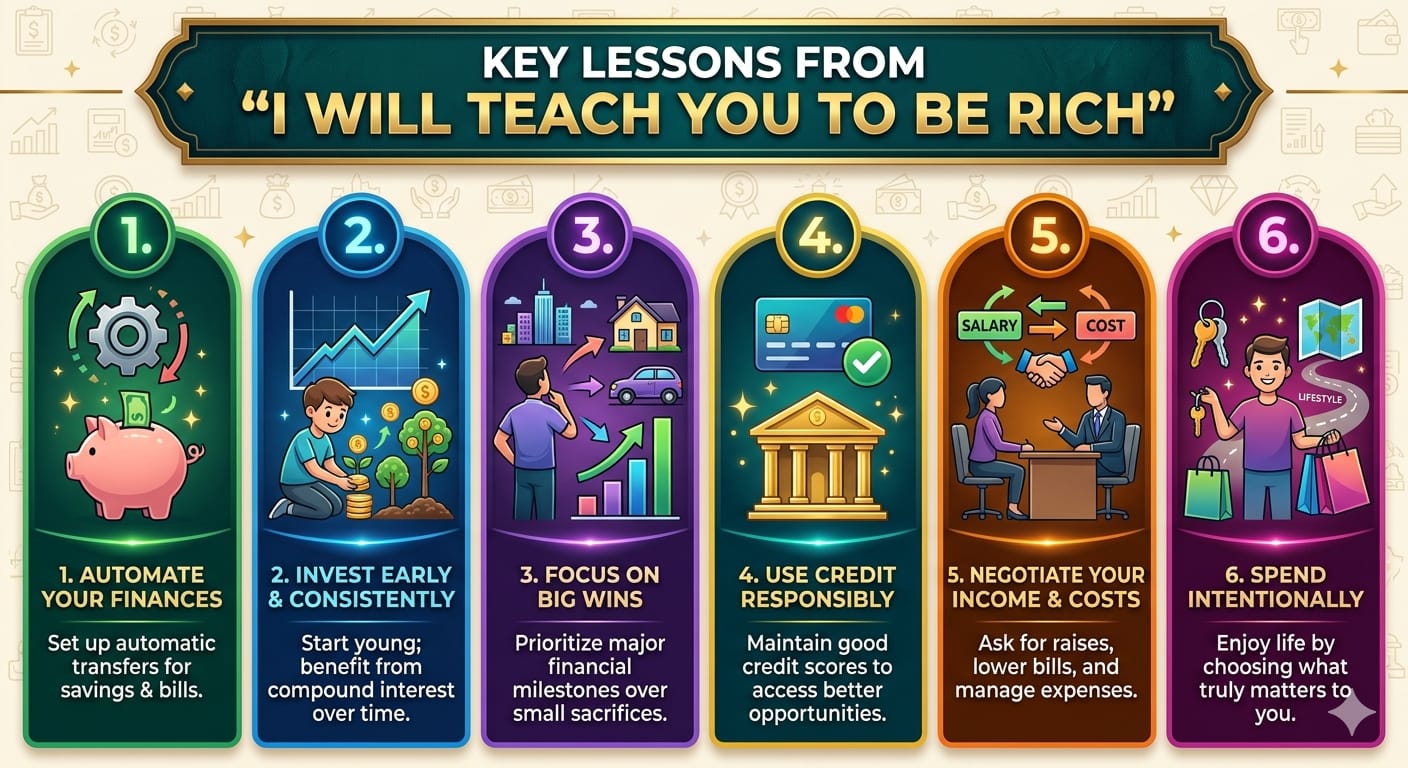
Here are the book’s most important takeaways:
- Automate your finances whenever possible.
- Invest early and consistently.
- Focus on big financial wins rather than small sacrifices.
- Use credit responsibly to build strong financial health.
- Negotiate to increase income and reduce costs.
- Spend intentionally on things that matter to you.
- Build systems that support long-term wealth creation.
Final Thoughts
I Will Teach You to Be Rich is not just another personal finance book. It is a practical roadmap for building wealth while enjoying life along the way. Ramit Sethi’s straightforward advice helps readers move beyond financial anxiety and create systems that lead to lasting success.
Whether you are just beginning your financial journey or looking to improve your existing money habits, this book offers actionable strategies that can help you save more, invest smarter, and live a richer life. The greatest lesson is simple: wealth is not about deprivation—it is about making conscious choices that align your money with the life you truly want to live.
Book review, personal finance books, wealth building strategies, financial freedom, investing for beginners, money management tips, conscious spending plan, automated finances, personal finance guide.