
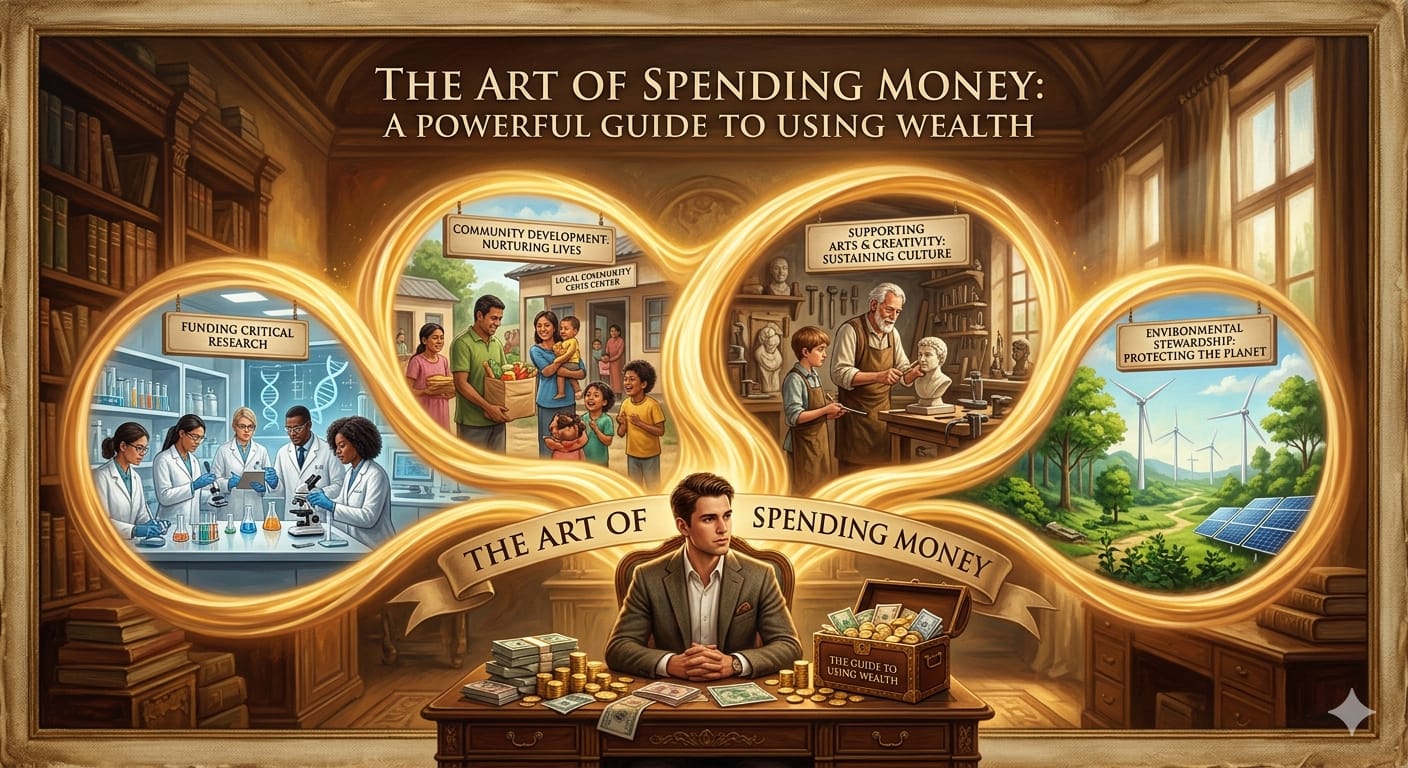
Money is often associated with earning, saving, investing, and building wealth. However, one of the most overlooked aspects of personal finance is learning how to spend money wisely. In The Art of Spending Money, Morgan Housel explores a simple yet profound idea: the true purpose of money is not merely to accumulate it but to use it in ways that improve our lives.
Known for his insightful financial writing and bestselling book The Psychology of Money, Housel focuses on the emotional and psychological side of financial decisions. His perspective challenges traditional beliefs about wealth and encourages readers to think differently about spending.
In this article, we will explore the key lessons from The Art of Spending Money and discover how thoughtful spending can lead to greater happiness, freedom, and fulfillment.
Why Spending Money Is an Art
Most personal finance advice teaches people how to save more and spend less. While saving is important, Morgan Housel argues that spending money effectively is a skill that deserves equal attention.
Anyone can spend money, but spending it in ways that genuinely improve life requires thought and intention. The goal is not to spend recklessly or extravagantly. Instead, it is about aligning spending decisions with personal values and long-term happiness.
Housel explains that the value of money is not measured by how much you have but by how well it serves your life.
One of the central themes in Housel’s work is that money should be viewed as a tool rather than an end goal.
Many people spend years chasing higher incomes, larger investment portfolios, and bigger financial milestones. Yet they often forget why they wanted money in the first place.
Money can provide comfort, security, opportunities, and freedom. However, accumulating wealth without using it meaningfully can leave people feeling unsatisfied.
The real purpose of financial success is to create a life that reflects your priorities and values. Wealth becomes valuable when it helps you enjoy experiences, reduce stress, and spend more time doing what matters most.
Buying Time Is One of the Best Investments
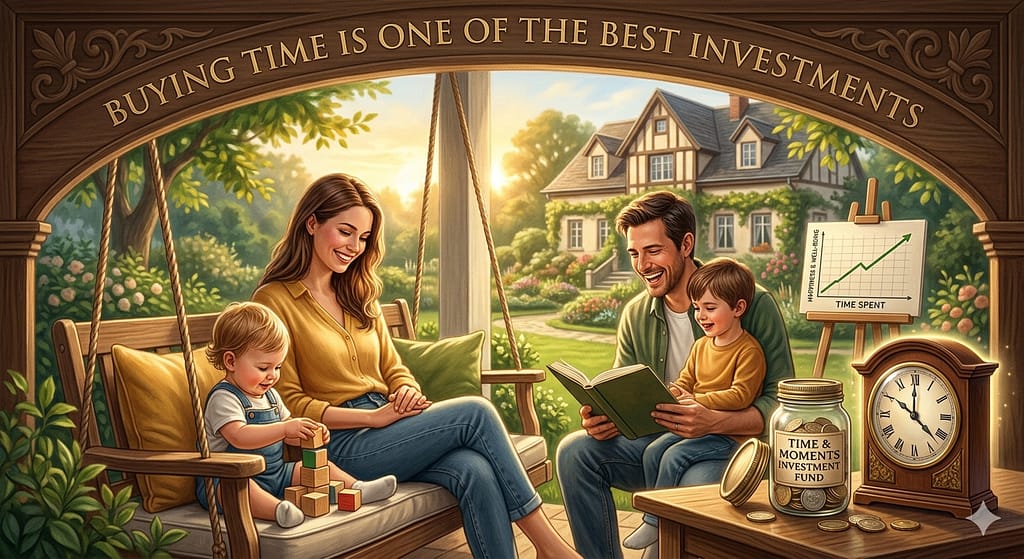
One of Housel’s most powerful ideas is that money can buy time, and time is often more valuable than possessions.
People frequently spend money on things that offer only temporary satisfaction. A new gadget, luxury item, or status symbol may create excitement for a short period, but the feeling often fades quickly.
On the other hand, spending money to save time can have lasting benefits. Hiring help for repetitive tasks, reducing lengthy commutes, or investing in conveniences can create more free time for family, hobbies, health, and personal growth.
Housel suggests that the ability to control your time is one of the greatest forms of wealth.
Experiences Often Outperform Possessions
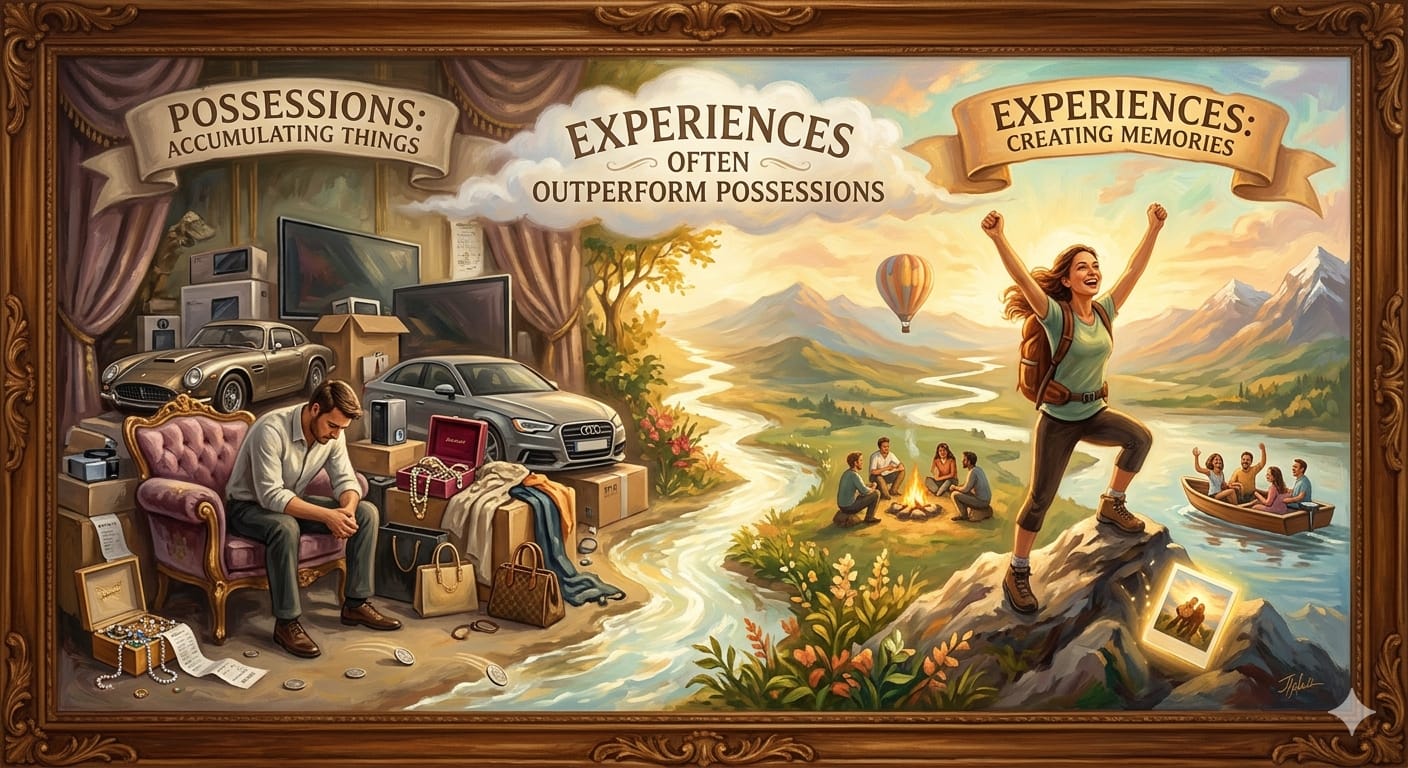
Research consistently shows that experiences tend to bring more lasting happiness than material possessions.
Morgan Housel emphasizes that memorable experiences often provide greater emotional returns than physical items. Vacations, family gatherings, learning opportunities, and meaningful adventures can create memories that last a lifetime.
Material possessions eventually become ordinary. The excitement of owning something new typically fades as people adapt to it.
Experiences, however, often become more valuable over time as memories are revisited and shared with others.
This does not mean people should never buy things. Rather, it encourages thoughtful spending on experiences that enrich life and strengthen relationships.
Avoid Spending for Status
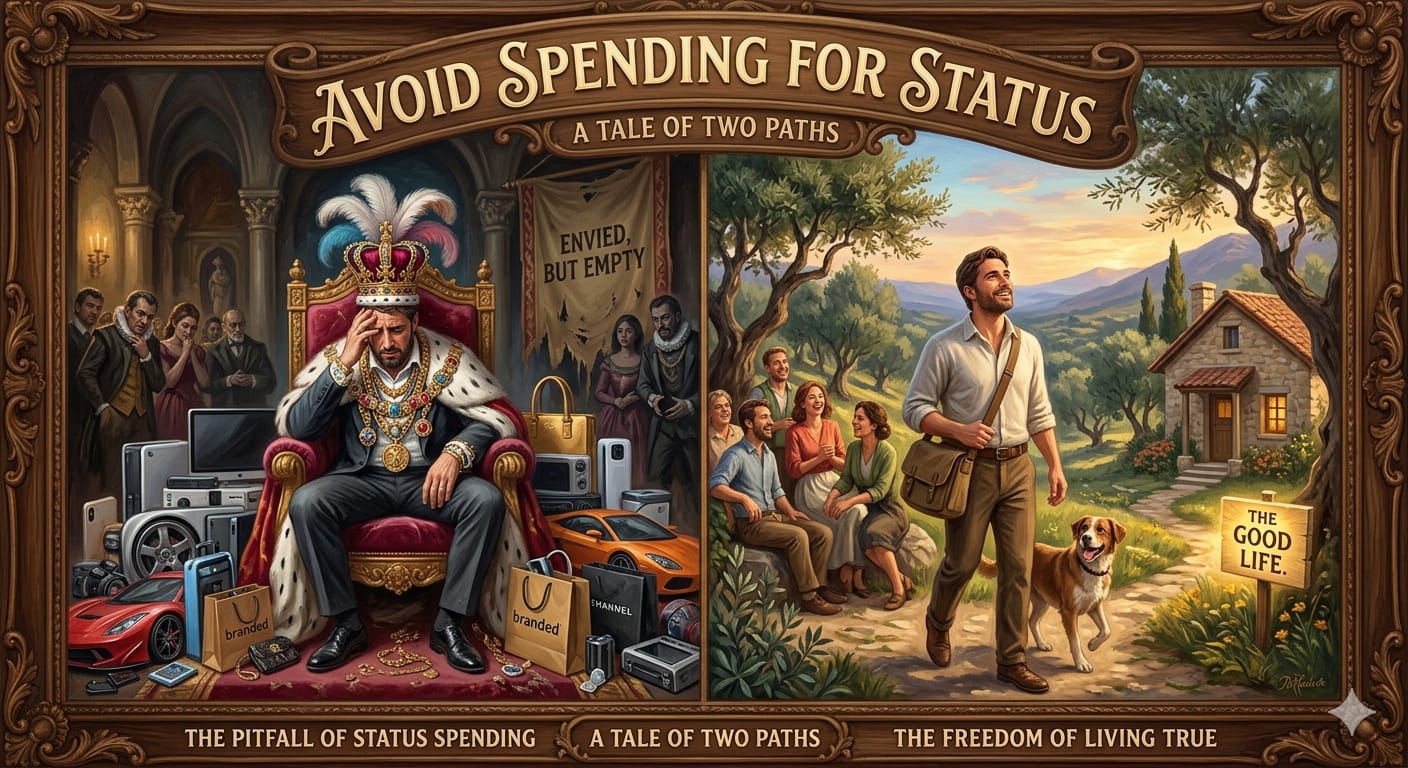
One of the most common financial traps is spending money to impress other people.
Luxury cars, designer clothing, and expensive homes are often purchased not because they improve quality of life but because they signal success.
Housel points out an important reality: people are generally more focused on themselves than on judging others. The admiration people seek through status purchases is often far less significant than they imagine.
Spending money to gain approval from others can become a never-ending cycle. There will always be someone with a bigger house, a newer car, or a higher income.
True financial confidence comes from spending according to your own values rather than trying to meet society’s expectations.
Financial Freedom Is the Ultimate Luxury
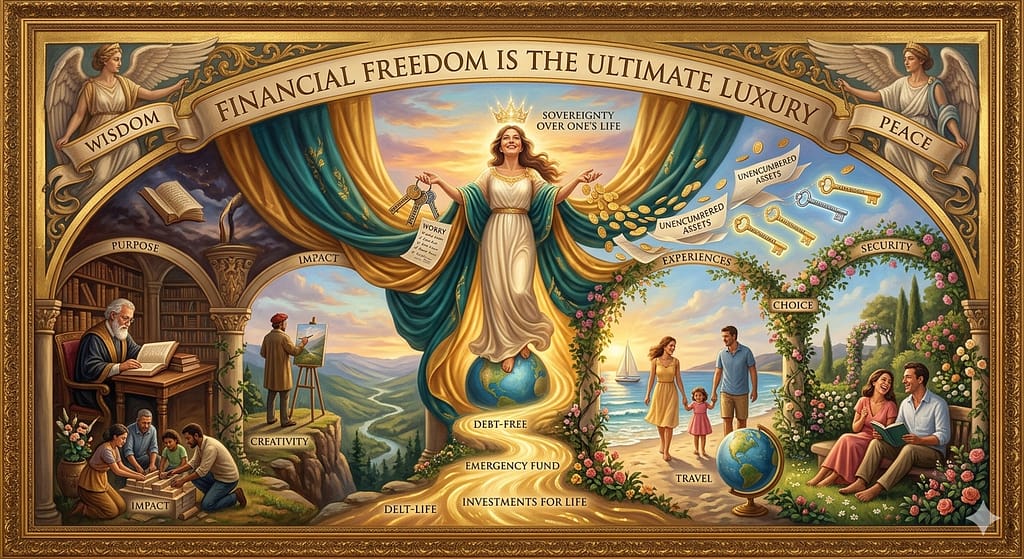
Many people associate luxury with expensive products and lavish lifestyles. Morgan Housel offers a different definition.
He argues that the greatest luxury money can buy is independence.
Financial freedom means having the ability to make choices without being controlled by financial pressures. It means having the flexibility to leave a job you dislike, take a career break, spend more time with loved ones, or pursue meaningful opportunities.
This freedom often provides more happiness than any luxury purchase ever could.
For this reason, maintaining savings and financial security remains essential even while enjoying your money.
Spend on What Truly Matters
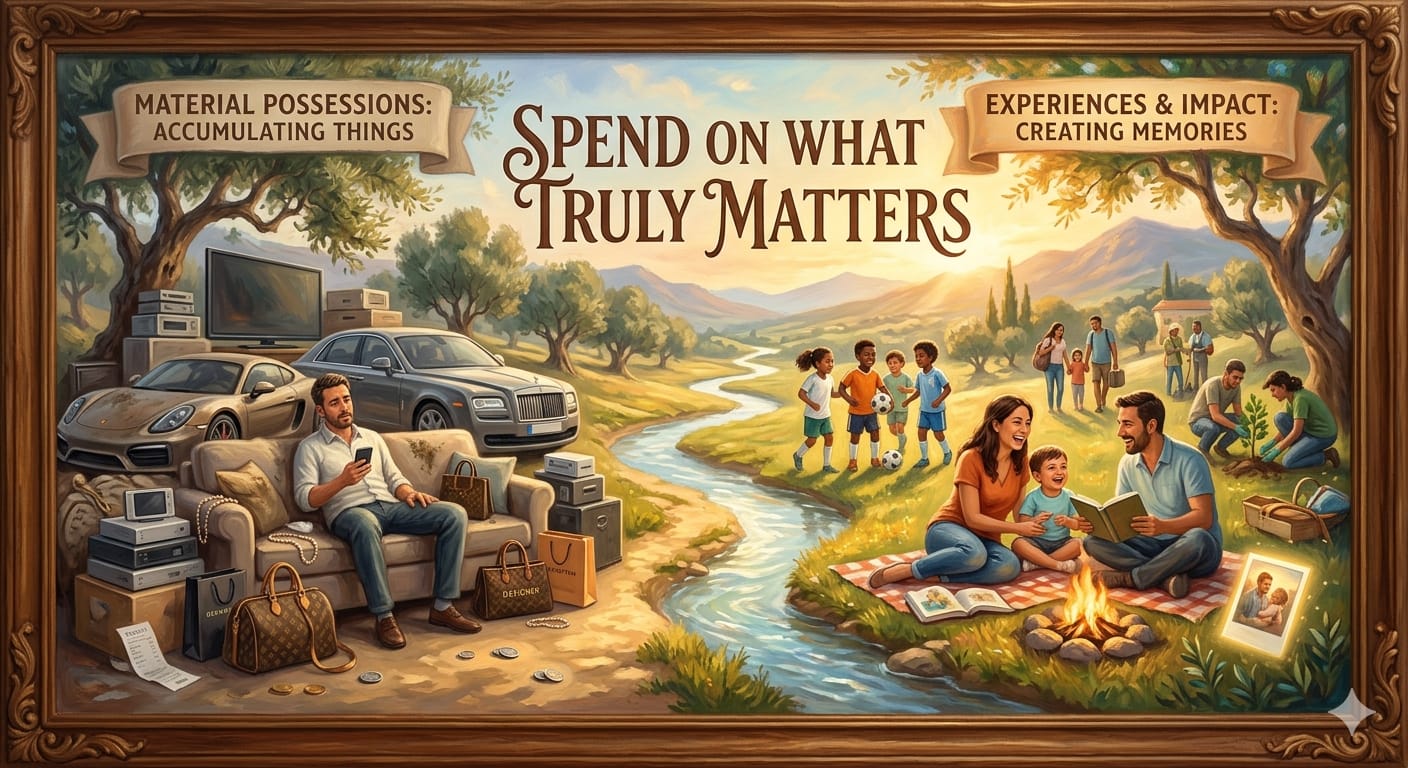
A key lesson from The Art of Spending Money is that personal finance should be personal.
Not everyone values the same things. Some people find joy in travel, while others prefer investing in hobbies, education, health, or family experiences.
There is no universal formula for the perfect spending plan.
The important question is whether your spending reflects what genuinely matters to you. By identifying your priorities, you can confidently spend more on the things you love and spend less on things that add little value.
This approach creates both financial efficiency and personal satisfaction.
Balance Saving and Enjoying Life
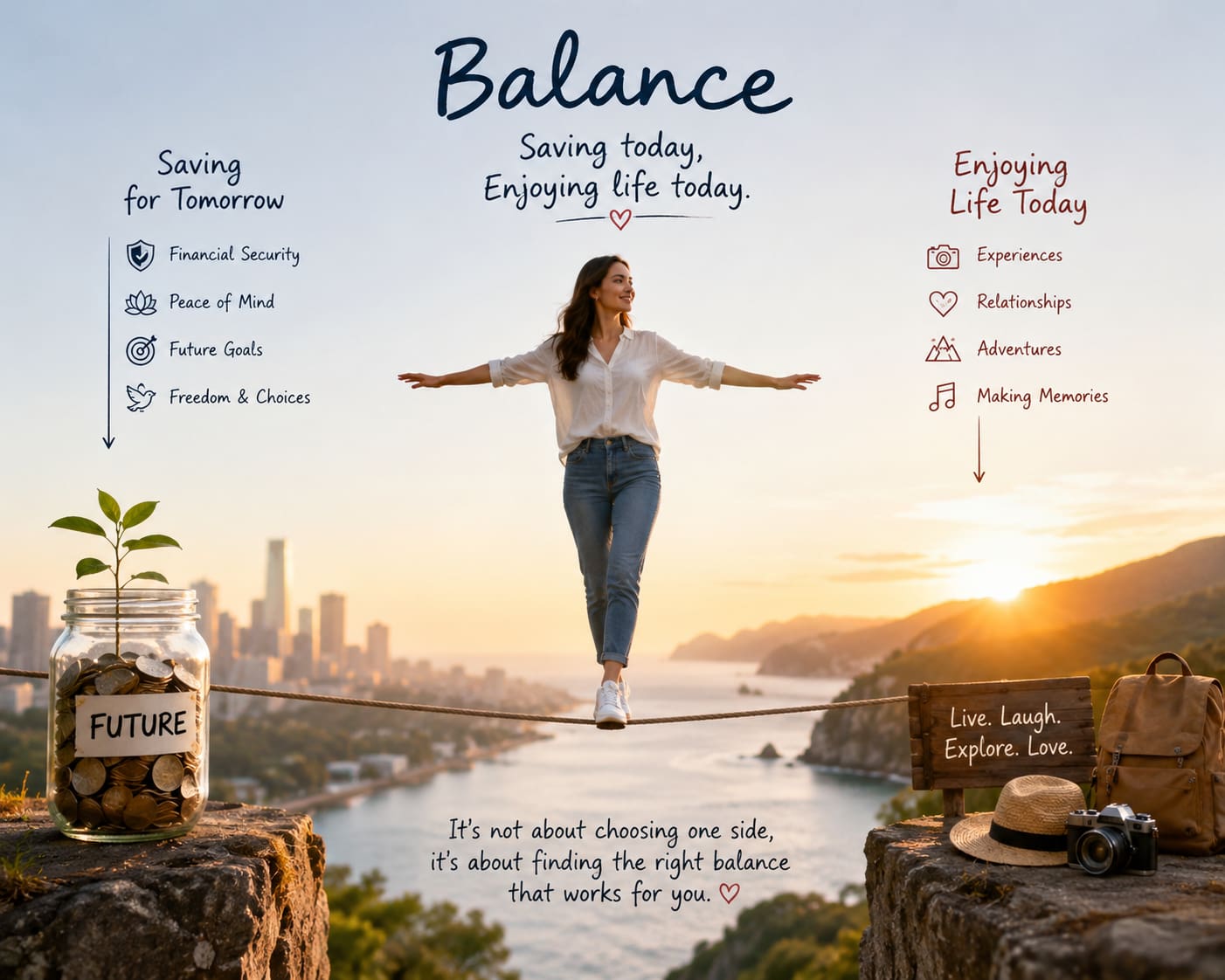
Many people struggle to find the right balance between saving for the future and enjoying the present.
Saving too little can create financial stress later in life. However, saving excessively while postponing all enjoyment can also lead to regret.
Morgan Housel encourages readers to recognize that money should serve both present and future needs.
A healthy financial strategy includes preparing for tomorrow while still allowing room to enjoy life today. The goal is not perfection but balance.
Wise spending acknowledges that life is unpredictable, and meaningful experiences should not always be delayed indefinitely.
Final Thoughts
The Art of Spending Money by Morgan Housel offers a refreshing perspective on personal finance. Rather than focusing solely on earning and investing, it highlights the importance of using money intentionally to create a richer and more meaningful life.
The book reminds us that wealth is not about collecting the largest bank account or displaying status. True wealth is the ability to spend money in ways that align with your values, strengthen relationships, reduce stress, and provide freedom.
By viewing money as a tool rather than a goal, prioritizing experiences over status, and focusing on what genuinely matters, anyone can improve both their financial well-being and overall happiness.
In the end, the art of spending money is really the art of living well.
The Art of Spending Money, Morgan Housel is about personal finance, money management, financial freedom, spending habits, wealth building, financial happiness, money psychology, smart spending.