

Managing money is one of the most important life skills, yet many people struggle with budgeting, saving, and building long-term financial security. In Make Every Penny Count, Naomi and Ricky Willis provide practical advice that helps readers take control of their finances and create a more stable future.
The book focuses on a simple but powerful principle: every penny matters. Small financial decisions made consistently over time can have a significant impact on wealth, financial freedom, and overall peace of mind.
Whether you’re trying to pay off debt, build savings, or simply improve your money habits, Make Every Penny Count offers valuable lessons that can help you make smarter financial choices.
Why Every Penny Matters
Many people believe that wealth is built through large salaries, major investments, or unexpected financial windfalls. Naomi and Ricky Willis challenge this belief by showing that financial success often comes from managing small amounts of money effectively.
A daily coffee, unnecessary subscriptions, impulse purchases, or frequent dining out may seem insignificant individually. However, when these expenses accumulate over months and years, they can have a major impact on your financial health.
The authors encourage readers to pay attention to where their money goes and understand that small savings can create meaningful results over time.
Understanding Your Financial Habits
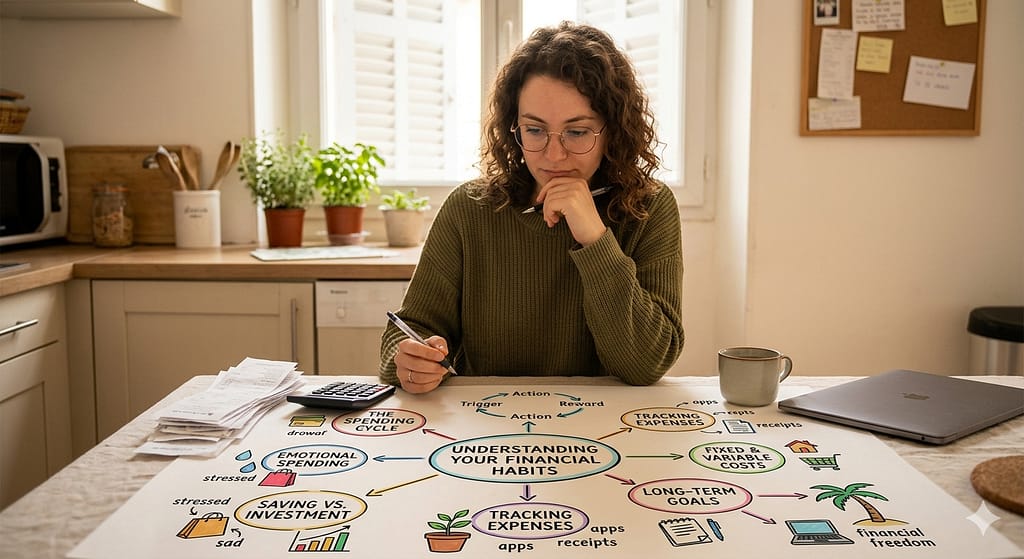
One of the first steps toward financial improvement is becoming aware of spending habits.
Many people do not realize how much money they spend on non-essential items until they track their expenses. The book emphasizes the importance of reviewing income, expenses, and spending patterns regularly.
By identifying areas where money is being wasted, individuals can make adjustments that support their long-term goals.
Financial awareness is not about feeling guilty. Instead, it is about making intentional decisions that align with personal priorities.
Creating a Realistic Budget
Budgeting is one of the core lessons in Make Every Penny Count.
The authors explain that a budget should not feel restrictive. Instead, it should act as a roadmap that helps guide financial decisions.
A successful budget typically includes:
- Essential living expenses
- Debt payments
- Emergency savings
- Retirement contributions
- Personal spending
- Entertainment and leisure activities
The goal is to ensure that every dollar has a purpose. When people know exactly where their money is going, they gain greater control over their finances and reduce unnecessary stress.
The Power of Consistent Saving

Saving money is a recurring theme throughout the book.
Naomi and Ricky Willis highlight that saving does not require large amounts of income. What matters most is consistency.
Even small contributions made regularly can grow significantly over time. Establishing automatic transfers to a savings account can help make saving a habit rather than an occasional activity.
The authors encourage readers to focus on progress rather than perfection. Saving a little every month is far better than waiting for the “perfect” time to start.
Building an Emergency Fund

Life is full of unexpected events. Medical bills, car repairs, job loss, and home maintenance can create financial challenges without warning.
One of the smartest financial strategies discussed in the book is building an emergency fund.
An emergency fund serves as a financial safety net that protects individuals from relying on credit cards or loans during difficult times.
The authors recommend setting aside money gradually until a comfortable reserve is established. This financial cushion can reduce anxiety and provide peace of mind during uncertain situations.
Eliminating Debt for Greater Freedom

Debt is one of the biggest obstacles to financial independence.
High-interest credit card balances, personal loans, and unnecessary borrowing can consume a significant portion of income. The book emphasizes the importance of creating a structured plan to eliminate debt as quickly as possible.
The authors encourage readers to:
- Prioritize high-interest debt
- Avoid accumulating new debt
- Make consistent extra payments when possible
- Stay committed to long-term debt reduction goals
As debt decreases, more money becomes available for savings, investments, and future opportunities.
Living Below Your Means
One of the most valuable lessons in Make Every Penny Count is learning to live below your means.
Modern society often encourages people to spend more as their income increases. However, the authors explain that true financial success comes from maintaining a gap between earnings and spending.
Living below your means does not require sacrificing happiness. Instead, it involves making thoughtful choices and avoiding unnecessary lifestyle inflation.
People who consistently spend less than they earn are better positioned to build wealth, handle emergencies, and achieve financial freedom.
Setting Meaningful Financial Goals
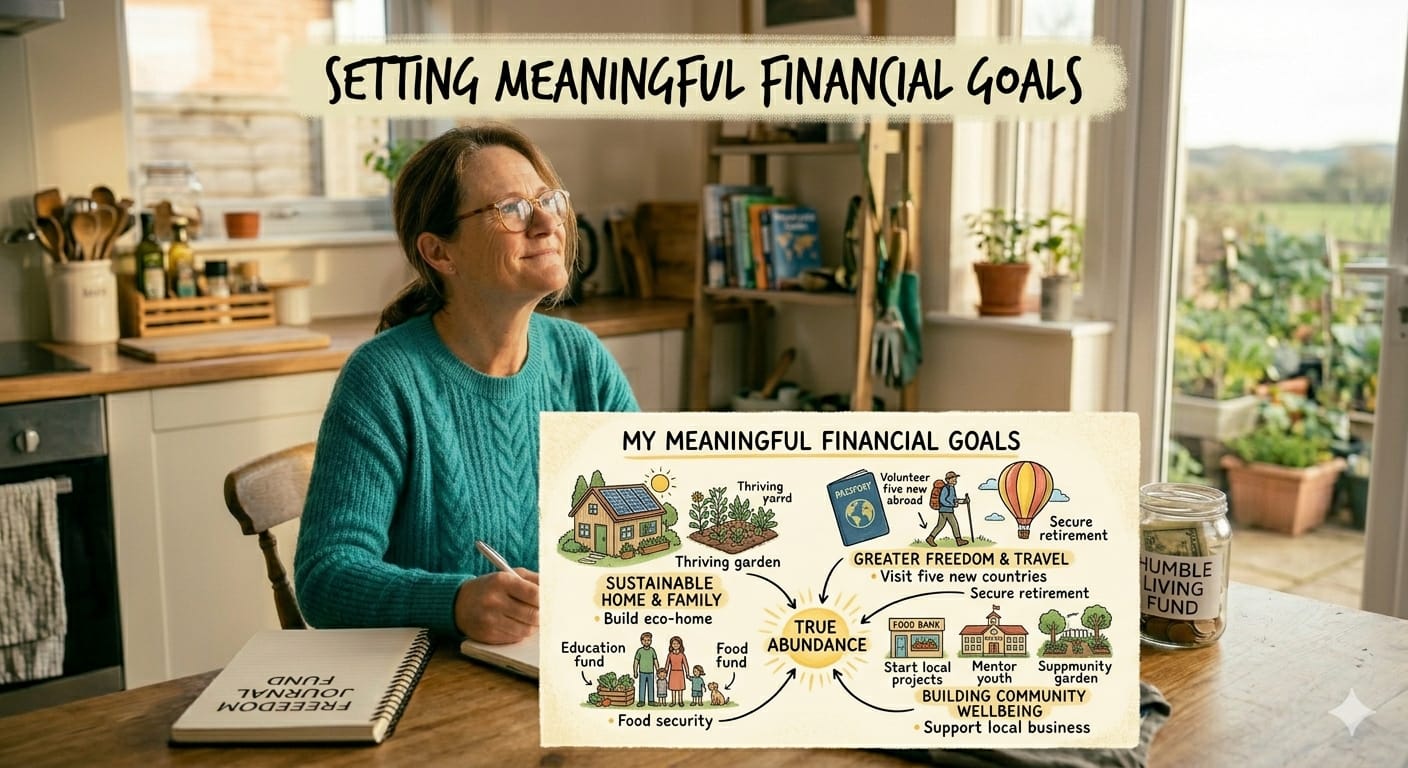
Money management becomes easier when there is a clear purpose behind it.
The book encourages readers to establish specific financial goals such as:
- Paying off debt
- Buying a home
- Starting a business
- Saving for retirement
- Funding education
- Building long-term investments
Goals provide motivation and direction. They also help people make spending decisions that support their future rather than simply satisfying short-term desires.
When financial goals are written down and regularly reviewed, they become much more achievable.
Developing a Long-Term Mindset

One of the key messages from Naomi and Ricky Willis is that financial success is rarely achieved overnight.
Building wealth requires patience, discipline, and consistency. Many people become discouraged because they expect immediate results. However, lasting financial improvement typically occurs through years of smart decisions and responsible habits.
The authors emphasize focusing on long-term progress rather than short-term setbacks. Every positive financial choice contributes to future success.
This mindset helps individuals remain committed even when progress feels slow.
Teaching Financial Responsibility

Another valuable lesson from the book is the importance of financial education.
The authors encourage parents to teach children basic money management skills early in life. Understanding budgeting, saving, and responsible spending can help young people avoid common financial mistakes as adults.
Financial literacy is one of the greatest gifts families can pass from one generation to the next.
By developing healthy money habits early, individuals can create stronger financial foundations throughout their lives.
Final Thoughts
Make Every Penny Count by Naomi and Ricky Willis is a practical and motivating guide for anyone looking to improve their financial situation. The book demonstrates that financial success is not determined solely by income but by how effectively money is managed.
Through budgeting, saving, debt reduction, goal setting, and mindful spending, readers can build a stronger financial future one step at a time.
The central message is both simple and powerful: every penny has value. Small decisions made consistently can lead to remarkable results over time.
For anyone seeking greater financial security, peace of mind, and long-term wealth, Make Every Penny Count offers valuable lessons that can be applied immediately. By making intentional choices today, you can create a brighter and more financially secure tomorrow.